
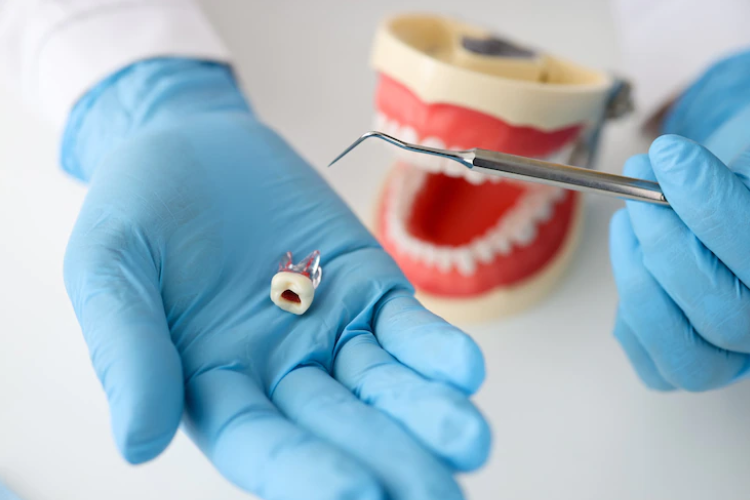
Root canal treatment is a painless procedure that can help you get back to smiling. Modern techniques and materials make root canals painless and successful. During the treatment, the infected nerve of the tooth is removed, and the tooth is then thoroughly cleaned and sealed. The procedure is relatively quick and can be done in one or two visits. After the treatment, you can smile again without any pain or discomfort. It is important to note that root canals are very effective in eliminating toothache and restoring the tooth’s function and appearance. Furthermore, it is a cost-effective way to make sure that your smile lasts for years to come. So, if you are suffering from toothache and want to get back to smiling. A painless root canal treatment may be your best option.
Painless root canal treatment: What You Need to Know.
Root canal treatment is a dental procedure used to repair and save a severely infected or damaged tooth. It involves removing the nerve and pulp from the inside of a tooth, cleaning and disinfecting the area, then filling and sealing the tooth. Painless root canal treatment in Dwarka Is possible with modern advances in dentistry and anesthesia. The entire process can often be completed in one or two visits. During the procedure, a local anesthetic is used to numb the area and reduce any discomfort. The end result is a functional, healthy, and pain-free tooth.

It is important to follow your dentist’s instructions when caring for your tooth after the procedure to ensure a successful outcome. This includes regular brushing, flossing, and dental check-ups. Root canal treatment is a safe and effective way to save a tooth from being extracted and can bring back your smile. With proper care and maintenance, you can expect the tooth to last a lifetime.
What is a root canal?
A root canal is a procedure used to repair and save a tooth that is badly decayed or infected. During a root canal, the nerve and pulp inside the tooth are removed and the inside of the tooth is cleaned and sealed. The nerve and pulp are the soft tissue inside the tooth’s root canal. The nerve is not vital to the tooth’s health, but it can cause pain when it becomes infected or inflamed.
Root canals are usually necessary when the nerve or pulp of the tooth becomes infected due to deep decay, trauma, or a crack in the tooth. If left untreated, the infection can spread to other tissues and cause pain, swelling, and bone loss around the tooth.
The root canal procedure typically involves several steps. The dentist will first access the inside of the tooth with a small drill and locate the nerve and pulp. Then, the infected tissue is removed and the inside of the tooth is cleaned and disinfected. The dentist will place a rubber-like material called gutta-percha into the root canal and then seal it with a temporary filling. Finally, the dentist will place a crown or filling on the tooth to protect it from further damage.
What are the Benefits of A root Canal Treatment?
A root canal treatment is a dental procedure that is used to treat a tooth that has become infected due to bacteria. The root canal treatment involves cleaning out the infected tissues from the root canal and filling the area with a material that will help protect the tooth from further damage.
The primary benefit of a root canal treatment is that it helps to restore the structure of the affected tooth. Which can help to prevent further damage. This can help to prevent cavities and other dental problems that can occur due to the infection.
Another benefit of a root canal treatment is that it can help to alleviate pain and discomfort that may be associated with an infected tooth. If left untreated, the infection can cause inflammation and pain. The root canal treatment can help to reduce this pain, allowing the patient to resume their normal activities.
How to Get Started with Aroot Canal Treatment?
A root canal treatment is a dental procedure used to repair and save a tooth that is severely decayed or infected. The procedure involves removing the damaged area of the tooth, cleaning out the canals, and then filling and sealing the area. It is a commonly used dental procedure. It can be completed in one or several visits depending on the severity of the case.
The first step in getting started with a root canal treatment is to consult your dentist. Your dentist will evaluate the condition of your tooth, discuss the treatment options available, and determine whether or not a root canal is necessary. If a root canal is needed, your dentist will then take X-rays of the affected tooth to determine the extent of the damage.
Once the damage has been assessed, your dentist will administer a local anesthetic to numb the area and begin the root canal treatment. During the procedure, your dentist will use special tools to remove the decayed or infected area of the tooth. Once the cleaning process is complete. Your dentist will fill the canals with a special filling material and then seal the area.
How to Get the Painless Experience?
The best way to get a painless experience is to prepare ahead of time. Before any procedure or operation, it is important to research the procedure in order to understand what to expect. This will help to reduce anxiety and stress prior to the procedure. It is also important to talk to your doctor about any concerns you may have about the procedure. The doctor can provide reassurance and explain the procedure in detail to help reduce any fear or anxiety. It is also important to take the time to relax before the procedure. Taking deep breaths, listening to calming music, or doing yoga can help reduce stress and keep the body relaxed. It is also important to take any medications prescribed by the doctor and follow instructions for pre-procedure fasting. This will help to reduce the risk of complications during the procedure.
Finally, it is important to have a good support system in place. This could include family, friends, or counselors. Having someone to talk to before and after the procedure can help to reduce stress and provide comfort and support.
Conclusion
Painless root canal treatment is an effective way to restore the health of a tooth that has been compromised by infection or trauma. It can be done in a single visit or over several visits. The treatment involves removing the infected or damaged pulp from the root canal and then filling the canal with a special material. After the root canal is completed. The tooth may be restored with a crown or filling to protect it from further damage. This procedure is often successful in saving a tooth that would otherwise be lost. Painless root canal treatment is a reliable and successful way to restore a patient’s oral health and can provide a lifetime of comfort and confidence.

Nathan Schexnayder was born in Washington State, Studied at Washington State University. Currently working as Blogger at Speakitsname, Nathan Schexnayder helps readers learn the FIELD Business, General, Health & Fitness, Marketing etc hone their skills, and find their unique voice so they can stand out from the crowd.

