
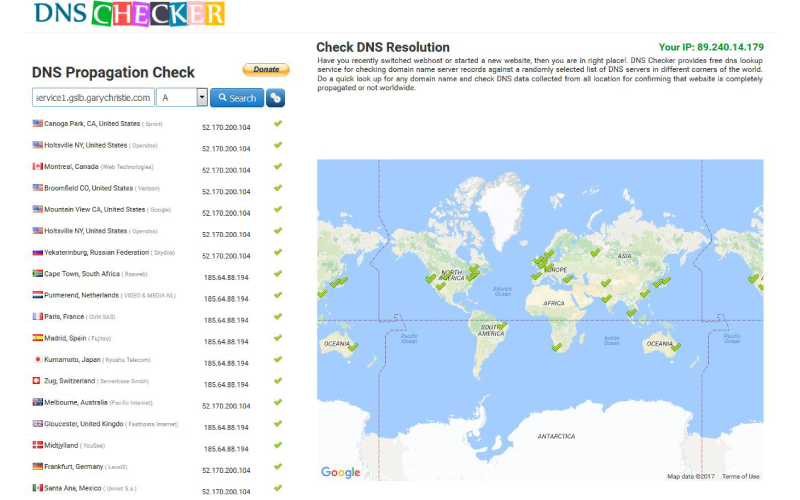
In today’s digital landscape, where online presence is crucial for businesses of all scales, ensuring a seamless user experience is paramount. One of the key components in achieving this is the implementation of a robust load balancing system. Among the myriad options available, the Global Server for Load Balancer stands out as a cornerstone solution. This comprehensive guide aims to delve into the intricacies of this vital technology, providing insights into its functionality, benefits, and strategies for mastering its utilization.
Understanding The Global Server For Load Balancer
Before delving into mastering the Global Server for Load Balancer, it’s imperative to grasp its fundamental concepts. At its core, a load balancer is a critical component of network infrastructure responsible for distributing incoming traffic across multiple servers. This distribution ensures optimal utilization of resources, enhances scalability, and improves fault tolerance. The Global Server for Load Balancer takes this concept a step further by offering a centralized solution capable of managing traffic across geographically dispersed servers. This geographic distribution not only improves performance by reducing latency but also enhances resilience by mitigating the impact of regional outages or disruptions.

How To Master The Global Server For Load Balancer?
Mastering the Global Server for Load Balancer entails a multifaceted approach that encompasses both technical proficiency and strategic deployment. Firstly, it’s essential to have a deep understanding of the underlying principles of load balancing, including algorithms for traffic distribution, health monitoring mechanisms, and failover protocols. Additionally, proficiency in network configuration and optimization is crucial for fine-tuning the performance of the load balancer. Beyond technical expertise, mastering the Global Server for Load Balancer also involves strategic planning, such as determining the optimal geographic distribution of servers, anticipating traffic patterns, and implementing effective scaling strategies. Continuous monitoring and analysis are essential for identifying bottlenecks, optimizing resource allocation, and adapting to changing demands.
Global Server For Load Balancer: Your Key To A Smooth Online Experience
In an era where user experience can make or break a business, the Global Server for Load Balancer emerges as a key enabler of a seamless online experience. By intelligently distributing incoming traffic across geographically dispersed servers, it ensures low latency, high availability, and consistent performance for users worldwide. Whether it’s serving web content, processing transactions, or delivering multimedia streams, the Global Server for Load Balancer plays a pivotal role in optimizing response times and mitigating downtime. Its ability to dynamically scale resources based on demand fluctuations further enhances its utility in addressing the evolving needs of modern online services.
Simplifying The Global Server For Load Balancer
Despite its inherent complexity, mastering the Global Server for Load Balancer can be simplified through systematic understanding and strategic implementation. By breaking down its components and functionalities into digestible concepts, beginners can gradually familiarize themselves with its intricacies. Starting with the basics of load balancing principles and gradually progressing towards advanced topics such as global traffic management and disaster recovery strategies, individuals can build a solid foundation for mastering the Global Server for Load Balancer. Moreover, leveraging user-friendly management interfaces and automation tools can streamline the configuration and monitoring processes, further simplifying the management of complex load balancing environments.
A Beginner’s Guide To The Global Server For Load Balancer
For beginners venturing into the realm of load balancing, the Global Server for Load Balancer serves as an ideal entry point. This beginner’s guide aims to provide a comprehensive overview of the technology, starting with its basic concepts and gradually delving into more advanced topics. From understanding the role of load balancers in optimizing resource utilization to exploring the specific features and capabilities of the Global Server for Load Balancer, this guide equips novices with the knowledge and skills needed to embark on their journey towards mastery. Practical examples, troubleshooting tips, and best practices serve to enhance the learning experience and empower beginners to navigate the complexities of load balancing with confidence.
Global Server For Load Balancer Demystified: What You Need To Know?
In the ever-evolving landscape of network infrastructure, the Global Server for Load Balancer remains a critical yet often misunderstood technology. Demystifying this essential component involves unraveling its complexities and shedding light on its practical applications. From debunking common misconceptions to elucidating its role in optimizing application delivery and ensuring high availability, this section aims to provide clarity on what the Global Server for Load Balancer is and why it’s indispensable in today’s digital ecosystem. By dispelling myths and misconceptions, individuals can gain a deeper appreciation for the value proposition of the Global Server for Load Balancer and its transformative impact on online services.
Harnessing The Power Of The Global Server For Load Balancer
The Global Server for Load Balancer represents more than just a technical solution; it’s a powerful tool for driving business success in the digital age. Harnessing its full potential requires not only technical expertise but also a strategic mindset focused on delivering exceptional user experiences and maximizing operational efficiency. By leveraging its capabilities for intelligent traffic routing, predictive scaling, and global traffic management, organizations can gain a competitive edge in today’s hyperconnected world. Moreover, by integrating the Global Server for Load Balancer into broader DevOps and cloud-native initiatives, businesses can accelerate innovation, improve agility, and unlock new opportunities for growth. In essence, mastering the Global Server for Load Balancer isn’t just about optimizing infrastructure; it’s about empowering organizations to thrive in an increasingly digital-centric landscape.
Conclusion
mastering the Global Server for Load Balancer is essential for ensuring a smooth and seamless online experience in today’s interconnected world. By understanding its fundamental principles, leveraging its advanced features, and adopting a strategic approach to deployment and optimization, organizations can unlock its full potential and reap the benefits of enhanced performance, scalability, and reliability. Whether you’re a novice exploring the basics or a seasoned professional seeking to optimize complex network environments, the Global Server for Load Balancer offers a wealth of opportunities for innovation and growth. Embracing its capabilities and harnessing its power is not just a technical imperative but a strategic imperative for success in the digital age.

Hello, I’m Frederic Ho, a seasoned writer based in the bustling city of Seattle, United States. With a deep well of knowledge in business and technology, I craft insightful content that navigates the intricacies of these dynamic realms. Join me as I explore the intersection of innovation and commerce, providing a fresh perspective on the ever-evolving landscape of business and technology.