

A vast industrial pond, vital for various operations but slowly succumbing to the accumulation of silt and debris. Industrial pond dredging emerges as the unsung hero in revitalizing these crucial water bodies, ensuring efficiency and longevity. Let’s dive into the depths of industrial pond dredging techniques, uncovering its benefits, challenges faced, and effective strategies to keep these aquatic environments thriving.
Understanding Industrial Pond Dredging
Industrial pond dredging is the process of removing accumulated sediment, sludge, and debris from ponds used in various industrial applications. Over time, these materials can build up, impairing the pond’s functionality and potentially causing environmental harm.
By dredging industrial ponds, water capacity is increased, improving overall efficiency for processes like cooling systems or wastewater treatment. This maintenance activity helps prevent clogging of intake pipes and ensures consistent water flow.
Understanding the specific needs of each industrial pond is crucial before embarking on a dredging project. Factors such as pond size, depth, type of sediment present, and surrounding ecosystem must be carefully assessed to determine the most suitable dredging approach.
Whether it’s for maintaining proper drainage or enhancing water quality standards compliance – grasping the essence of industrial pond dredging sets the stage for successful restoration and continued operational excellence.
Benefits of Industrial Pond Dredging
Industrial pond dredging offers a multitude of benefits for businesses and industries. One significant advantage is the restoration of water depth, allowing for increased capacity and efficiency in water storage or treatment processes. By removing accumulated sediments, industrial pond dredging helps improve water quality by reducing pollutants and contaminants that can harm aquatic life.
Additionally, dredging enhances the overall aesthetics of the pond area, creating a more visually appealing environment for employees, visitors, and wildlife. Improved sediment management through dredging also reduces the risk of flooding during heavy rainfall events by increasing the volume capacity of the pond to hold excess water without overflow.
Furthermore, industrial pond dredging can contribute to regulatory compliance by ensuring that ponds meet environmental standards set forth by governing bodies. This proactive approach not only protects natural habitats but also safeguards against potential fines or penalties for non-compliance with regulations related to sediment accumulation and water quality maintenance.
Common Benefits in Industrial Pond Dredging
When it comes to industrial pond dredging, there are a number of common challenges that can arise during the process. One significant challenge is dealing with sediment buildup that has hardened over time, making it difficult to remove efficiently. This can require specialized equipment and techniques to break up and extract the stubborn sediment.
Another challenge often faced in industrial pond dredging is navigating around infrastructure such as pipes or cables that may be present at the bottom of the pond. Careful planning and coordination are crucial to ensure these obstacles are safely avoided while still effectively dredging the area.
Environmental factors like weather conditions can also pose challenges during industrial pond dredging operations. Heavy rain or extreme temperatures can impact work schedules and make certain techniques less effective, requiring flexibility and adaptation from the team carrying out the dredging project.
Additionally, managing disposal of dredged materials in compliance with environmental regulations is another common challenge in industrial pond dredging projects. Proper handling and disposal of sediments is essential to prevent negative impacts on surrounding ecosystems.
Addressing these challenges requires careful planning, communication, and expertise to successfully complete an industrial pond dredging project while minimizing risks and ensuring regulatory compliance.
Techniques for Efficient and Effective Industrial Pond Dredging
When it comes to efficient and effective industrial pond dredging, utilizing the right techniques is crucial for achieving optimal results. One of the most common methods employed is mechanical dredging, which involves using machinery such as excavators to physically remove sediment and debris from the pond bed.
Hydraulic dredging is another technique that can be highly effective in industrial pond dredging. This method uses high-pressure water jets to dislodge and transport material, making it ideal for areas with limited access or delicate ecosystems.
For a more environmentally friendly approach, biological dredging harnesses natural processes like plant growth or microbial activity to break down organic matter and improve water quality. This technique can be beneficial in restoring balance to ponds without causing harm to aquatic life.
By combining these different dredging techniques based on specific needs and conditions, industrial pond owners can efficiently maintain their bodies of water while preserving the surrounding ecosystem.
Mechanical Dredging
When it comes to industrial pond dredging, Mechanical Dredging is a widely used technique that involves the use of heavy machinery to physically remove sediment and debris from the bottom of ponds. This method is highly effective for large-scale projects where high volumes of material need to be cleared quickly.
Mechanical dredging equipment such as excavators, draglines, and clamshell buckets are utilized to scoop out the accumulated sludge and deposit it into trucks or barges for disposal. The process requires skilled operators who can maneuver the equipment efficiently while ensuring minimal impact on the surrounding environment.
One key advantage of mechanical dredging is its ability to handle a wide range of sediment types, including sand, silt, and gravel. This versatility makes it suitable for various industrial applications such as mining operations, power plants, and wastewater treatment facilities.
Mechanical Dredging offers a reliable solution for efficiently removing unwanted materials from industrial ponds, helping maintain water quality and ecosystem health in these vital aquatic environments.
Hydraulic Dredging
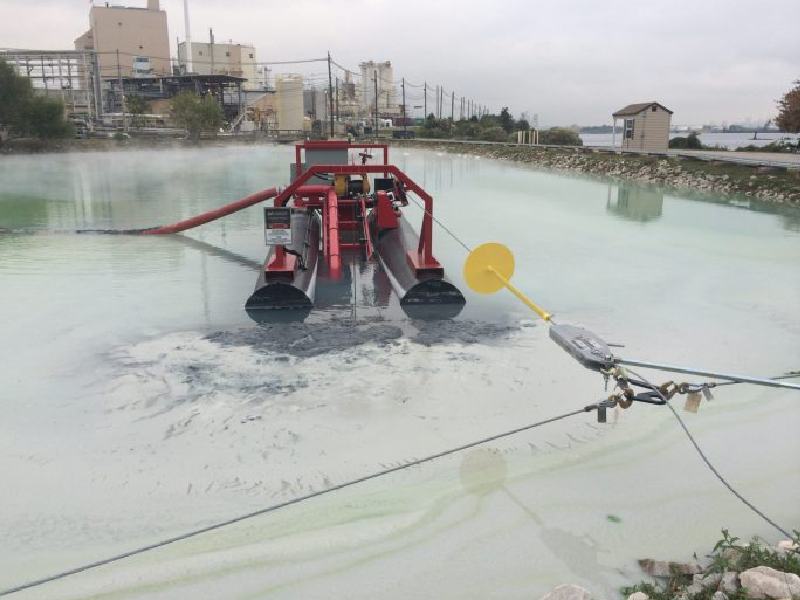
Hydraulic dredging is a modern and efficient technique used in industrial pond dredging. This method involves the use of high-powered water jets to loosen sediment and debris from the pond bottom. The loosened material is then pumped out using suction pumps, allowing for quick and effective removal.
One of the key advantages of hydraulic dredging is its ability to reach difficult or confined areas within the pond that may be challenging to access with other methods. The flexibility of this approach makes it particularly useful for ponds with varying depths or complex shapes.
Moreover, hydraulic dredging minimizes environmental impact by reducing disturbance to surrounding habitats and minimizing turbidity in the water. By carefully controlling the flow of water during operations, operators can ensure minimal disruption to aquatic life while achieving optimal cleaning results.
Hydraulic dredging offers a precise and eco-friendly solution for maintaining industrial ponds, ensuring they remain functional and sustainable for years to come.
Biological Dredging
Biological dredging is a sustainable approach to cleaning industrial ponds using natural methods. By introducing biological organisms like bacteria, enzymes, and plants, the process aims to break down organic sediment and pollutants in the water.
These organisms help digest excess nutrients and organic matter, reducing algae growth and improving water quality. This method can be particularly beneficial for maintaining balance in aquatic ecosystems without disturbing the existing wildlife.
Bioaugmentation is a common technique used in biological dredging where beneficial microorganisms are added to accelerate the breakdown of contaminants. Additionally, planting aquatic vegetation can help stabilize sediments and provide habitat for other species.
While biological dredging may take longer than mechanical or hydraulic methods, it offers long-term benefits by promoting ecological restoration and sustainability in industrial pond management.
Pre-Dredging Preparation Steps
Before diving into an industrial pond dredging project, proper preparation is essential to ensure a smooth and successful operation.
Conducting a thorough assessment of the pond’s condition is crucial. This involves determining the depth of sediment accumulation, assessing any potential environmental impacts, and identifying any obstacles that may hinder the dredging process.
Next, obtaining any necessary permits or approvals from relevant authorities is key to avoiding legal issues during the dredging operation. Compliance with regulations is paramount in industrial pond dredging projects.
Additionally, selecting the appropriate dredging technique based on factors such as pond size, sediment composition, and budget constraints is vital for achieving optimal results. Whether opting for mechanical, hydraulic, or biological dredging methods, careful consideration must be given to choosing the most suitable approach.
Coordinating logistics such as equipment rental or purchase and scheduling personnel for the project timeline are essential steps in preparing for industrial pond dredging. Adequate planning beforehand can help prevent delays and ensure a seamless execution of the operation.
Post-Industrial Pond Dredging Maintenance Tips
After successfully completing industrial pond dredging, it’s essential to implement post-dredging maintenance tips to ensure the longevity and effectiveness of your water body. Regular inspection is key – keep an eye on sediment buildup and address any issues promptly.
Maintaining proper water flow is crucial for preventing future sediment accumulation. Consider installing aeration systems or pumps to keep the water circulating effectively. Additionally, monitoring water quality parameters like pH levels and oxygen content can help you detect any imbalances early on.
Regularly removing debris such as vegetation or trash from the pond surface can prevent clogging and maintain optimal water circulation. Implementing erosion control measures around the pond’s banks can also help minimize sediment runoff into the water body.
Establishing a routine maintenance schedule that includes periodic dredging assessments will allow you to stay ahead of potential issues before they escalate. By staying proactive in your post-industrial pond dredging maintenance efforts, you’ll ensure a clean and functional aquatic environment for years to come.
Conclusion
By implementing the right techniques and strategies, industrial pond dredging can be a highly effective solution for maintaining water quality, improving aesthetics, and ensuring regulatory compliance. Whether opting for mechanical, hydraulic, or biological dredging methods, each approach has its benefits depending on the specific needs of the industrial pond.
Remember to conduct thorough pre-dredging preparations to streamline the process and minimize potential challenges. Additionally, post-dredging maintenance is crucial to sustain the benefits of dredging over the long term.
With proper planning and execution, industrial pond dredging can help industries enhance their operations while promoting environmental sustainability. Stay informed about best practices in industrial pond dredging to ensure optimal results for your facility’s water management needs.

Hello, I’m Frederic Ho, a seasoned writer based in the bustling city of Seattle, United States. With a deep well of knowledge in business and technology, I craft insightful content that navigates the intricacies of these dynamic realms. Join me as I explore the intersection of innovation and commerce, providing a fresh perspective on the ever-evolving landscape of business and technology.