
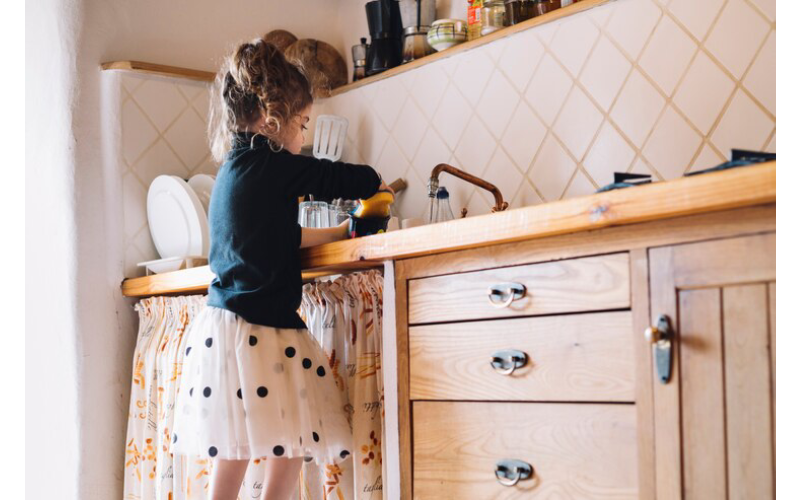
In modern kitchen interiors, hinges are no longer just functional components but also design elements that contribute to the overall aesthetic. One of the top trends in kitchen cabinet hardware hinges is the shift towards sleek, minimalistic designs that complement contemporary cabinetry. European hinges, also known as concealed hinges, are gaining popularity for their ability to remain hidden when the cabinet door is closed, creating a clean, uncluttered look. These hinges also offer adjustability and smooth operation, making them ideal for modern kitchens. Another trend is the use of soft-close hinges, which provide a gentle and controlled closing motion, reducing noise and preventing wear and tear on the cabinetry.
Comparing Types of Kitchen Cabinet Hardware Hinges: What You Need to Know?
When it comes to kitchen cabinet hardware hinges, there are several types to choose from, each offering unique benefits and considerations. The three main categories are concealed hinges, continuous hinges, and European hinges. Concealed hinges, also known as hidden hinges, are mounted inside the cabinet, making them invisible when the door is closed. They are prized for their sleek appearance and ability to provide a clean, streamlined look. European hinges, a subset of concealed hinges, offer additional features such as adjustability and a soft-close mechanism. Continuous hinges, or piano hinges, run the full length of the cabinet door and provide exceptional durability and support. These hinges are ideal for heavy doors or cabinets that experience frequent use.
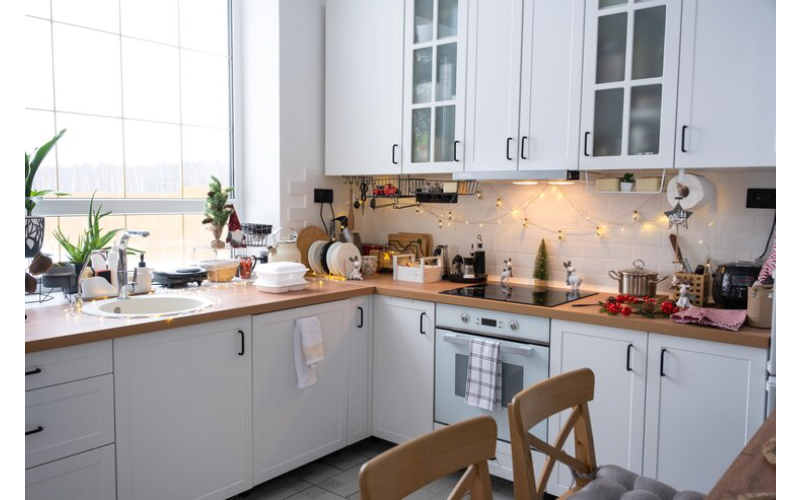
Choosing the Right Kitchen Cabinet Hardware Hinges: A Comprehensive Guide
Selecting the right kitchen cabinet hardware hinges requires careful consideration of several factors to ensure both functionality and aesthetics are achieved. Start by assessing the type of cabinet doors you have, as this will influence the most suitable hinge type. For instance, if you have frameless cabinets, concealed hinges are a great choice because they offer a clean, modern look and can be adjusted for precise alignment. If you have framed cabinets, overlay or half-overlay hinges might be more appropriate. Additionally, consider the weight and size of your cabinet doors; heavier doors may require continuous hinges or those with reinforced mounting plates for added support. The finish of the hinges should also complement the overall design of your kitchen, whether you prefer a polished chrome, antique brass, or matte black finish.
How Kitchen Cabinet Hardware Hinges Impact Functionality and Design?
Kitchen cabinet hardware hinges play a significant role in both the functionality and design of your cabinetry. Functionally, hinges determine how smoothly cabinet doors open and close, which directly affects the ease of access to the contents inside. High-quality hinges ensure that doors operate with minimal effort and remain securely attached, preventing sagging or misalignment over time. Additionally, features such as soft-close mechanisms can enhance the user experience by providing a quiet and controlled closing action, reducing wear on the cabinetry, and preventing damage from slamming doors. Design-wise, hinges can impact the overall look of your kitchen. Concealed hinges, for example, offer a modern, sleek appearance by hiding the hardware from view, contributing to a clean and streamlined aesthetic.
Expert Tips for Installing Kitchen Cabinet Hardware Hinges Like a Pro
Proper installation of kitchen cabinet hardware hinges is essential for ensuring optimal performance and longevity. Start by selecting the right type of hinge for your cabinet doors and ensuring that all components are compatible. Before installation, carefully measure and mark the locations where the hinges will be attached to both the cabinet and the door. Use a level to ensure that your markings are accurate, as misalignment can lead to issues with door operation and appearance. When drilling pilot holes, use a drill bit that matches the size of the hinge screws to avoid splitting the wood or causing damage. Attach the hinges to the cabinet first, making sure that they are level and flush with the surface.
How to Select Kitchen Cabinet Hardware Hinges for Various Cabinet Styles?
Choosing the right kitchen cabinet hardware hinges for different cabinet styles requires a thoughtful approach to ensure compatibility and visual harmony. For traditional cabinet styles, such as those featuring ornate details or raised panel doors, consider using hinges with a classic finish, such as antique brass or oil-rubbed bronze. These finishes complement the traditional aesthetic and add an element of elegance. For contemporary or modern cabinets, sleek and minimalistic hinges like concealed or European hinges work well, as they provide a clean and unobtrusive look. These hinges are often finished in polished chrome or matte black, aligning with modern design trends. If your kitchen features rustic or farmhouse-style cabinets, consider using decorative hinges with a vintage or wrought iron finish to enhance the overall rustic charm.
The Role of Kitchen Cabinet Hardware Hinges in Enhancing Cabinet Durability
Kitchen cabinet hardware hinges play a crucial role in the durability and longevity of cabinetry. High-quality hinges contribute to the overall structural integrity of the cabinet doors, ensuring they remain securely attached and functional over time. Durable hinges, made from materials such as stainless steel or brass, are resistant to rust and corrosion, which is especially important in a kitchen environment where moisture and heat can cause damage. The type of hinge used can also impact the cabinet’s durability; for example, continuous hinges provide full-length support along the door, which is beneficial for heavy or frequently used doors. Additionally, hinges with soft-close mechanisms reduce wear and tear by preventing the door from slamming shut, thereby extending the lifespan of both the hinges and the cabinet.
Essential Factors to Consider When Upgrading Your Kitchen Cabinet Hardware Hinges
When upgrading your kitchen cabinet hardware hinges, several essential factors should be considered to ensure that the new hinges meet your needs and expectations. First, assess the current condition of your cabinet doors and frames to determine if any repairs or adjustments are needed before installing new hinges. Next, consider the style and finish of the new hinges, ensuring they complement the overall design of your kitchen and match other hardware and fixtures. The type of hinge is also important; for instance, concealed hinges offer a modern look and adjustable features, while continuous hinges provide extra support for heavy doors. Additionally, think about the functionality of the hinges; features such as soft-close mechanisms can enhance user experience by providing a quiet and controlled closing action.
Conclusion
Kitchen cabinet hardware hinges may be small components, but their impact on both functionality and design is substantial. From modern trends to various types and finishes, the choice of hinges can enhance the overall appearance and performance of your cabinetry. Understanding the different types of hinges, their benefits, and how to install and maintain them properly is essential for achieving a well-functioning and aesthetically pleasing kitchen. Whether you’re updating your existing hardware or selecting hinges for a new kitchen, considering factors such as style, durability, and functionality will ensure that you make informed decisions that meet your needs. By selecting the right hinges and following best practices for installation and maintenance, you can enjoy a kitchen that not only looks great but also performs efficiently for years to come.

Hello, I’m Frederic Ho, a seasoned writer based in the bustling city of Seattle, United States. With a deep well of knowledge in business and technology, I craft insightful content that navigates the intricacies of these dynamic realms. Join me as I explore the intersection of innovation and commerce, providing a fresh perspective on the ever-evolving landscape of business and technology.