

A well-configured application for load balancer offers numerous benefits that impact the performance and scalability of your web application. Firstly, it ensures even distribution of traffic, preventing any single server from becoming a bottleneck. This not only improves response times but also enhances reliability by eliminating server overload issues. Additionally, load balancers facilitate fault tolerance by rerouting traffic to healthy servers during failures, ensuring business continuity. They also offer flexibility, allowing applications to scale up or down seamlessly based on demand. Advanced configurations enable SSL termination, enhancing security while reducing the load on backend servers. Moreover, load balancers improve resource utilization and cost efficiency by maximizing server performance, making them indispensable for modern web architectures.
How To Troubleshoot Errors In An Application For Load Balancer Setup?
Despite their advantages, errors in configuring an application for load balancer can lead to significant challenges. Troubleshooting begins with identifying the root cause, which often involves analyzing logs and monitoring metrics for anomalies. Common issues include misconfigured routing rules, improper health check parameters, and SSL certificate mismatches. Using diagnostic tools, such as packet analyzers or debugging protocols, can help pinpoint specific problems. Ensuring compatibility between the load balancer and backend servers is another critical step. Regular testing and validation of configuration changes can prevent errors from escalating. Additionally, leveraging automation tools for monitoring and alerts can provide real-time insights, enabling faster resolution of errors.
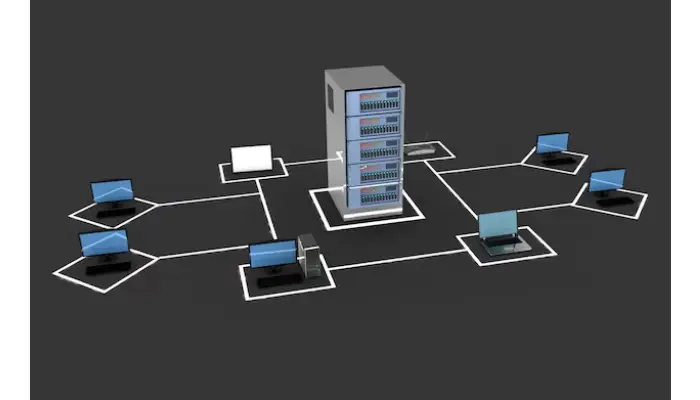
Choosing The Right Application For Load Balancer For Your Web Application
Selecting the right application for load balancer is pivotal for the success of your web application. The choice depends on factors like the scale of your application, traffic patterns, and specific use cases. Hardware-based load balancers are suitable for high-performance environments requiring dedicated resources, while software-based options offer flexibility and cost-effectiveness. For cloud-based applications, managed services such as AWS Elastic Load Balancer or Azure Load Balancer provide seamless integration with cloud platforms. Protocol support, including HTTP, HTTPS, and TCP, is another vital criterion. Scalability, security features, ease of configuration, and vendor support should also influence your decision. A thorough assessment of your requirements ensures you choose a load balancer that aligns with your goals.
Top Challenges To Avoid When Submitting An Application For Load Balancer
Application For Load Balancer can come with challenges that may affect its performance. Overlooking the compatibility of backend servers with the load balancer’s protocol can lead to functionality issues. Misaligned health checks can result in unnecessary downtime or inefficient traffic distribution. Security vulnerabilities, such as weak SSL configurations or unprotected endpoints, pose significant risks. Configuration errors, like improper routing rules, can disrupt user access. Additionally, failing to account for future scalability needs can lead to resource bottlenecks. Awareness of these potential challenges and a proactive approach to addressing them ensure a smoother application submission process and long-term performance.
Key Considerations When Submitting An Application For Load Balancer
When Application For Load Balancer, several factors should be considered to optimize its effectiveness. Begin by assessing your traffic patterns and determining the expected load to choose the appropriate type of load balancer. Next, ensure that your application servers meet compatibility requirements, including supported protocols and health checks. Pay close attention to security by implementing robust encryption standards and DDoS protection mechanisms. Planning for scalability is also critical, as it ensures your application can handle growth without disruption. Finally, document your configuration thoroughly and maintain version control for easy troubleshooting and updates. These considerations form the foundation for a reliable and efficient load balancer setup.
Tips For Creating A Comprehensive Application For Load Balancer
A well-prepared application for load balancer encompasses detailed planning and execution. Start by mapping out the architecture of your application, and identifying critical components that require load balancing. Define clear objectives, such as performance optimization or enhanced reliability, to guide your configuration choices. Incorporate redundancy at every level to prevent single points of failure. Utilize monitoring tools to gather real-time data, enabling informed decisions and adjustments. Additionally, prioritize documentation, detailing configurations, protocols, and security measures to streamline future updates. Collaboration among IT teams, developers, and network engineers ensures that all aspects of the load balancer application are thoroughly addressed.
How To Ensure Your Application For Load Balancer Is Configured Correctly?
Proper configuration of your application for load balancer is essential to its functionality. Begin by validating the compatibility of the load balancer with your application servers and ensuring that routing rules align with your traffic requirements. Regularly test health checks to verify that only functional servers receive traffic. Implement secure practices such as SSL/TLS encryption for data integrity. Use automation to deploy and monitor configurations, reducing the likelihood of human error. Scalability should be tested under simulated traffic conditions to confirm the load balancer can handle peak loads. Comprehensive validation and continuous monitoring guarantee that your load balancer performs as intended.
Best Practices For Submitting Your Application For Load Balancer
Adhering to best practices when Application For Load Balancer ensures optimal performance. Start with a thorough assessment of your application’s requirements, such as traffic volume, security needs, and scalability goals. Choose the right type of load balancer—hardware, software, or cloud-based—based on these requirements. Prioritize redundancy by incorporating failover mechanisms to maintain uptime during server failures. Regularly update and test configurations to adapt to evolving traffic patterns and emerging threats. Leverage logging and monitoring tools to gain insights into the load balancer’s performance and identify areas for improvement. By following these practices, you can maximize the effectiveness of your load balancer.
Conclusion
An application for load balancer is a cornerstone of modern web application architecture, ensuring performance, reliability, and scalability. From understanding its benefits to overcoming challenges and implementing best practices, every aspect of submitting and configuring a load balancer demands careful consideration. A well-prepared application not only prevents errors but also enhances user experience and operational efficiency. As digital landscapes evolve, staying updated on emerging technologies and trends will further empower businesses to optimize their load balancer applications. By investing in comprehensive planning and diligent maintenance, organizations can harness the full potential of load balancing for their web applications.
Resource URL:
https://en.wikipedia.org/wiki/Network_load_balancing
https://www.edgenexus.io/products/load-balancer/

Hello, I’m Frederic Ho, a seasoned writer based in the bustling city of Seattle, United States. With a deep well of knowledge in business and technology, I craft insightful content that navigates the intricacies of these dynamic realms. Join me as I explore the intersection of innovation and commerce, providing a fresh perspective on the ever-evolving landscape of business and technology.