
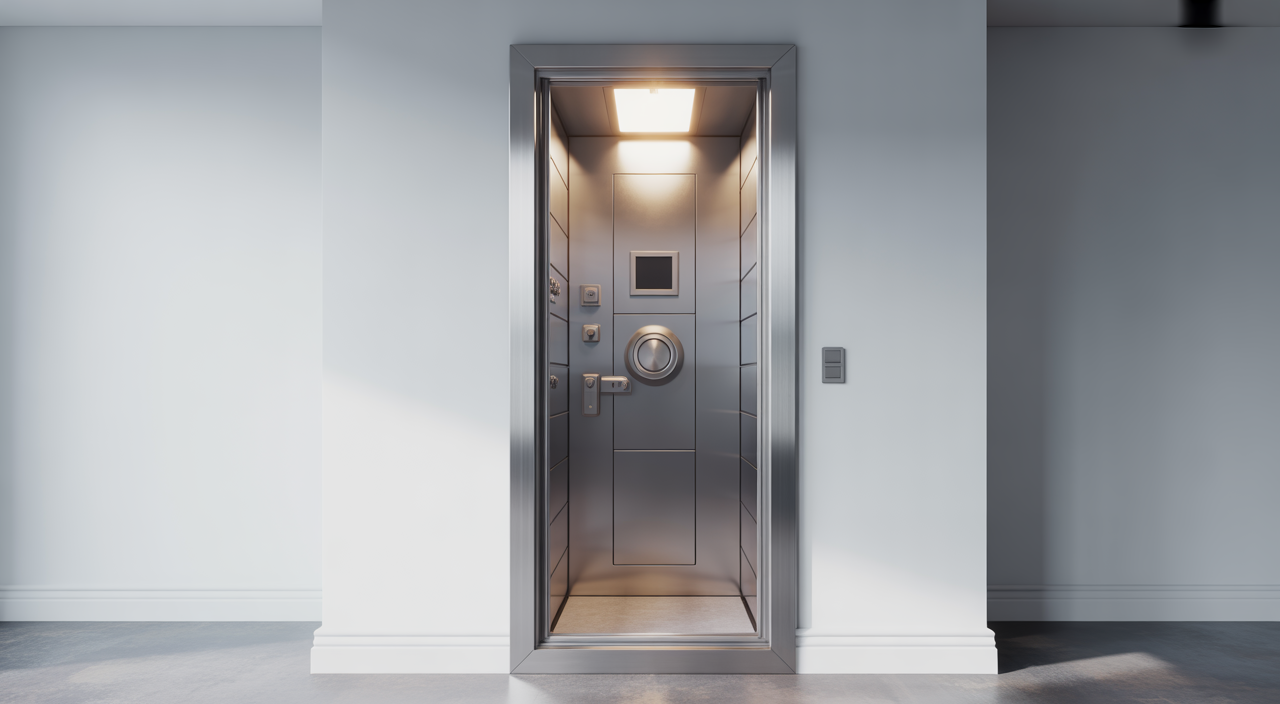
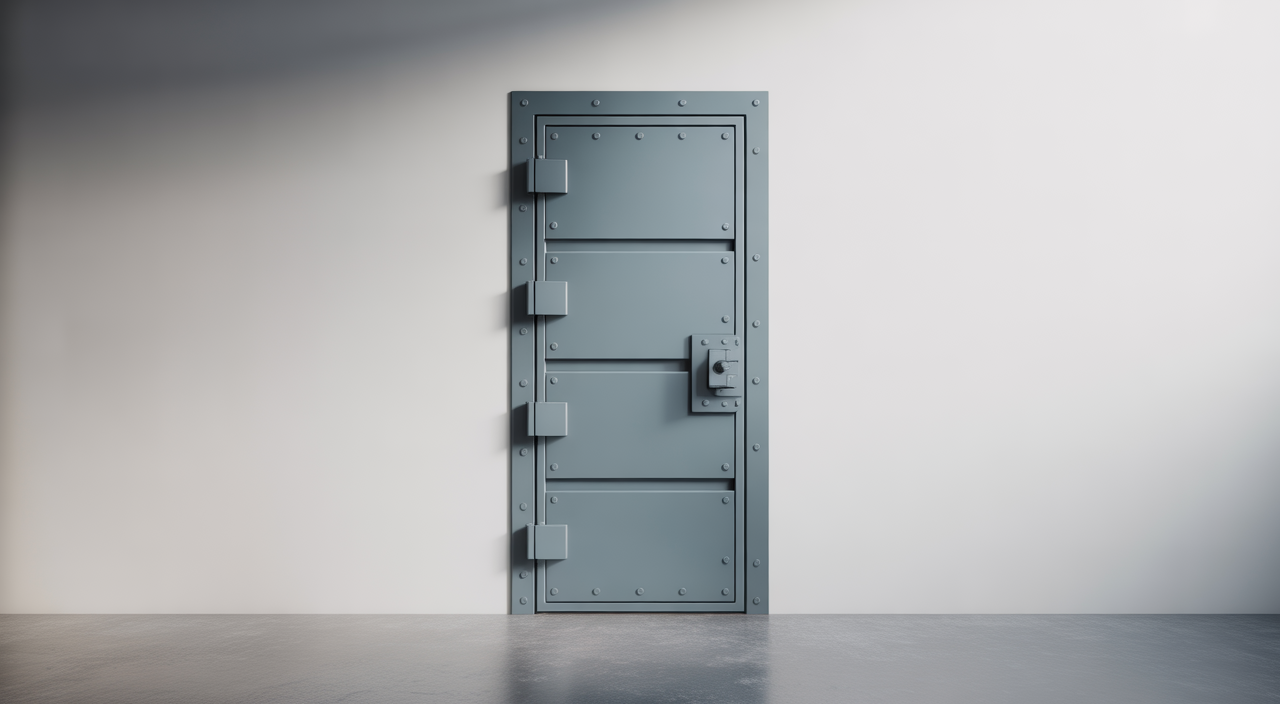
Why do safe room doors matter so much?
When you think about a safe room, you may focus on strong walls, location and ventilation. But the real hero is the door. High-quality safe room doors are what actually stand between your family and threats like storms, intruders or flying debris.
For Indian homeowners, especially those investing in high-value properties or farmhouses, a safe room is a smart long-term asset. It not only protects your loved ones but can also enhance the overall value of your real estate portfolio. Choosing the right door is the most important step in making that safe room truly secure.
This guide walks you through ratings, types, costs and practical buying tips so you can select a door with full confidence.
Understanding safe room ratings and standards
Before buying, it helps to understand how storm shelter doors and panic room access doors are tested and rated. These ratings tell you what level of force and impact the door can handle.
1. Tornado and cyclone ratings (ICC-500 type standards)
- In the US, a standard called ICC-500 is used for storm shelters.
- Doors are tested against heavy wind, flying debris and pressure similar to strong cyclones or tornadoes.
- For Indian buyers, look for products that advertise “tested to ICC-500 or equivalent” or “storm shelter rated.” This gives you a clear benchmark.
2. Ballistic resistance (bullet protection)
- Some safe room doors are “bullet resistant,” meaning they are built to stop specific types of bullets.
- Levels are usually described in steps, with higher levels stopping more powerful ammunition.
- If you are building a panic room in a city bungalow or luxury apartment, a bulletproof safe room door can be worth the extra cost.
3. Blast and intrusion resistance
- Blast resistant doors are designed to handle sudden pressure from explosions.
- Intrusion resistance focuses on stopping forced entry from tools like crowbars, hammers and cutting devices.
- Look for terms like “security-rated door,” “forced-entry tested” or “armored home entry” in the specifications.
Main types of safe room doors and key features
Not every home needs the highest possible level of protection. The right choice depends on your risk level, budget and long-term plan.
1. Steel storm shelter doors
- Made from heavy-gauge steel with strong internal frames.
- Ideal for tornado, cyclone and severe storm protection.
- Common for basements, ground-floor safe rooms and farmhouses.
2. Bullet-resistant safe room doors
- Use layered steel and special materials to stop bullets.
- Often combined with strong locks and multi-point latching.
- Good choice for panic rooms in high-risk urban zones or for high-net-worth families.
3. Hybrid and custom safe room doors
- Combine storm, ballistic and intrusion protection in one unit.
- Can be finished to match interior décor so your safe room does not look like a bank vault.
- Custom safe room doors are useful if your opening size is non-standard or you want specific aesthetics.
Also pay close attention to hardware. A strong door with a weak lock is not useful. Look for multi-point locks, heavy hinges and an inside release so you can exit quickly in an emergency.
Spotlight: What to look for in a premium safe room door
When you study premium products in this category, a few features stand out again and again. Think of these as your checklist when you evaluate different brands.
- Test certificates: Ask for test reports that show storm, impact or ballistic ratings.
- Solid frame system: The frame must be strong enough to hold the door under pressure.
- Seals and gaskets: These help keep out dust, smoke and in some cases even fire for a set time.
- Clean design: A good door can look like a regular room door while still being highly secure.
For more safety ideas around the home, you can explore detailed guides such as practical tips on planning a secure room and match them with your own property needs.
Buying and installation process for Indian homeowners
Investing in secure doors is very similar to investing in any other long-term asset. Planning well at the start saves you time and money later.
1. Step-by-step approach
- Define your goal: Is your priority storm protection, intrusion resistance or both?
- Fix a budget: Decide a range for safe room door cost, including transport, customs (if importing) and installation.
- Measure correctly: Take precise measurements of the opening, wall thickness and swing direction.
- Review specs: Shortlist 2–3 models that meet your rating needs.
- Compare quotes: Ask for itemised quotes including frame, hardware and labour.
2. DIY vs professional installation
- DIY installation can look cheaper, but safe room door installation needs perfect alignment and strong anchoring into concrete or brick.
- Professional installers ensure the door performs to its rated strength when it is actually tested by a real event.
- For most homeowners, especially in multi-storey buildings, professional fitting is the safer and more reliable route.
3. Cost and value
- Prices vary widely based on rating, size, finish and extra features like bullet resistance.
- Instead of chasing the lowest quote, focus on lifecycle value: durability, low maintenance and strong warranty.
- A high-quality door can serve for decades and add confidence to your overall security plan, just like a solid long-term investment.
Maintenance, warranty and long-term care
Once your fortified home entry is installed, simple care keeps it performing at its best.
- Check hinges, locks and bolts every few months.
- Keep the threshold area clean so the door closes fully.
- Test the locking system and inside release regularly with all family members.
- Follow the manufacturer’s cleaning instructions for paint or powder coating.
A good warranty is another sign of quality. Look for clear terms on structure, hardware and corrosion protection.
If you are in the process of upgrading your entire home, combine your door planning with other improvements. For example, better air circulation, lighting and interior design can all work together to create a safe and pleasant space. You can get ideas from guides on improving indoor comfort systems and then adapt them to your safe room layout.
FAQs about safe room doors
Q1. How should I choose ratings for my region?
Start with your main risk. If you live in a coastal or cyclone-prone area, focus first on an ICC-500 style storm shelter rating or equivalent impact-tested door. If your bigger concern is intrusion or targeted crime, look at models that combine storm protection with high security and, if needed, ballistic resistance.
Q2. Are safe room doors worth the cost for Indian homeowners?
Yes, especially if you own a high-value property or have family members who may need extra protection. The door turns one normal room into a strong, reliable shelter during natural disasters or security incidents. It is a once-in-decades purchase, and when chosen wisely, it can provide peace of mind that is hard to put a price on.
Q3. Where should I place the safe room in my home?
Common locations are an internal bedroom, study, walk-in closet or a basement-style space with strong surrounding walls. The key is easy access for all family members, especially children and elders, and a location that is structurally sound. Discuss options with your architect or contractor so the room and the door work together as a single protective system.

Nathan Schexnayder was born in Washington State, Studied at Washington State University. Currently working as Blogger at Speakitsname, Nathan Schexnayder helps readers learn the FIELD Business, General, Health & Fitness, Marketing etc hone their skills, and find their unique voice so they can stand out from the crowd.