

In the ever-evolving digital landscape, ensuring seamless application performance and system reliability is paramount. Enterprises must manage high-traffic loads, prevent downtime, and optimize network resources efficiently. Hewlett Packard Enterprise (HPE) Load Balancer is a crucial solution that aids businesses in managing workloads effectively, ensuring optimal application availability, security, and performance. This article explores the features, benefits, and impact of HPE Load Balancer on application reliability and performance.
Understanding HPE Load Balancer
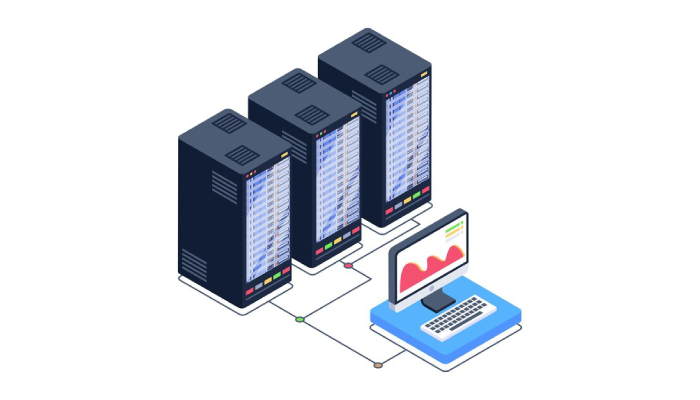
HPE Load Balancer is an advanced network traffic distribution solution that ensures the optimal functioning of applications by dynamically distributing incoming requests across multiple servers. It prevents server overload, improves response time, and enhances the user experience. By balancing network traffic efficiently, helps organizations achieve high availability and fault tolerance, thereby minimizing service disruptions.
HPE offers multiple load-balancing solutions tailored for various industries, including data centers, cloud computing environments, and enterprise applications. The integration of artificial intelligence (AI) and automation in HPE Load Balancer enhances real-time decision-making, ensuring workloads are distributed dynamically to maintain system efficiency.
Key Features Of HPE Load Balancer
1. Intelligent Traffic Distribution
HPE Load Balancer uses sophisticated algorithms to distribute network traffic intelligently. By analyzing server health, response times, and application status, it ensures optimal performance by redirecting requests to the best-performing servers.
2. High Availability and Fault Tolerance
To prevent service disruptions, the HPE Load Balancer continuously monitors server health. In case of server failure, it seamlessly reroutes traffic to available servers, ensuring uninterrupted service and enhanced reliability.
3. Scalability and Flexibility
With the growing demands on enterprise networks, scalability is critical. HPE Load Balancer supports horizontal and vertical scaling, allowing organizations to add or remove resources based on traffic demands. This flexibility ensures businesses can scale operations without compromising performance.
4. Security and Compliance
Security is a top priority for any business. HPE Load Balancer integrates robust security features, including SSL/TLS encryption, DDoS protection, and advanced firewalls. These security measures safeguard applications from cyber threats while ensuring compliance with industry regulations.
5. Load Balancing Across Hybrid and Multi-Cloud Environments
Modern enterprises often operate in hybrid and multi-cloud environments. HPE Load Balancer seamlessly integrates with on-premises infrastructure, private clouds, and public cloud services, offering unified traffic management and enhanced application reliability.
6. AI-Powered Performance Optimization
Leveraging artificial intelligence and machine learning, HPE Load Balancer continuously analyzes network performance and predicts potential failures. This proactive approach optimizes resource allocation and minimizes downtime.
Benefits Of HPE Load Balancer For Application Performance
1. Enhanced User Experience
A slow-loading application can lead to user dissatisfaction and revenue loss. By balancing traffic efficiently, HPE Load Balancer reduces latency and improves response times, ensuring a seamless user experience.
2. Minimized Downtime and Business Continuity
Unexpected server failures can disrupt business operations. HPE Load Balancer enhances reliability by automatically redirecting traffic to healthy servers, ensuring high availability and business continuity.
3. Optimized Resource Utilization
Underutilized or overloaded servers can impact application efficiency. HPE Load Balancer optimizes resource allocation by distributing workloads based on real-time data, preventing bottlenecks, and maximizing server efficiency.
4. Cost Efficiency
By efficiently managing network traffic and preventing over-provisioning of resources, HPE Load Balancer helps organizations reduce operational costs. It allows enterprises to scale resources dynamically, eliminating the need for excessive infrastructure investments.
5. Seamless Integration with Existing IT Infrastructure
HPE Load Balancer supports seamless integration with existing IT environments, including cloud, on-premises, and hybrid architectures. This flexibility makes it an ideal choice for enterprises looking to enhance application performance without significant infrastructure changes.
How HPE Load Balancer Enhances Application Reliability?
1. Proactive Health Monitoring
HPE Load Balancer constantly monitors server health, identifying performance issues before they affect end users. If a server becomes unresponsive, traffic is instantly redirected to a healthy server, preventing downtime.
2. Redundancy and Failover Mechanisms
By implementing redundancy and failover mechanisms, HPE Load Balancer ensures applications remain operational even in the event of server failures. This capability is crucial for mission-critical applications that require 24/7 availability.
3. Adaptive Traffic Management
Network traffic patterns fluctuate based on user demands. HPE Load Balancer adapts dynamically, distributing traffic based on real-time analytics to prevent congestion and maintain performance consistency.
4. Advanced Security Protocols
Security threats can compromise application reliability. HPE Load Balancer employs robust security features, such as encryption, intrusion detection, and DDoS protection, to ensure applications remain secure and operational.
5. Support for Microservices Architecture
Modern applications increasingly rely on microservices architecture. HPE Load Balancer efficiently manages service-to-service communication, ensuring each microservice functions optimally while preventing failures from affecting the entire system.
Use Cases Of HPE Load Balancer
1. E-Commerce Platforms
E-commerce businesses experience fluctuating traffic, especially during peak seasons. HPE Load Balancer ensures smooth user experiences by preventing server overload, reducing latency, and managing high transaction volumes efficiently.
2. Cloud-Based Applications
Enterprises relying on cloud services benefit from HPE Load Balancer’s ability to distribute workloads across multiple cloud instances, ensuring high availability and performance.
3. Financial Services
Banks and financial institutions require robust application reliability. HPE Load Balancer enhances transaction security, manages traffic spikes, and ensures real-time processing without downtime.
4. Healthcare Systems
In the healthcare industry, system failures can have life-threatening consequences. HPE Load Balancer ensures electronic health records (EHRs) and telemedicine applications remain available and responsive.
5. Enterprise IT Infrastructure
Large enterprises with complex IT environments benefit from HPE Load Balancer’s ability to streamline data flow, optimize resource utilization, and improve overall network performance.
Conclusion
HPE Load Balancer plays a vital role in enhancing application performance and reliability by intelligently distributing network traffic, optimizing resource utilization, and ensuring high availability. Its advanced security features, AI-powered optimizations, and seamless scalability make it an indispensable tool for enterprises aiming to deliver a seamless user experience. By leveraging HPE Load Balancer, organizations can achieve business continuity, minimize downtime, and enhance operational efficiency, ensuring long-term success in the digital landscape.

Hello, I’m Frederic Ho, a seasoned writer based in the bustling city of Seattle, United States. With a deep well of knowledge in business and technology, I craft insightful content that navigates the intricacies of these dynamic realms. Join me as I explore the intersection of innovation and commerce, providing a fresh perspective on the ever-evolving landscape of business and technology.
