

What is a flare system in oil and gas and why does it matter?
In every refinery, gas processing plant, or petrochemical unit, the bright flame at the top of a tall stack is hard to miss. That flame is part of a critical safety setup called a flare system. A well designed flare system oil and gas protects people, equipment, and the environment when pressure in the plant rises beyond safe limits.
For Indian investors, owners, and project managers, understanding how flaring works can help you ask the right questions during design, audits, and upgrades. It also helps you judge project risk, long term operating cost, and regulatory exposure in India and abroad. Let us break it down in simple, practical terms.
This guide covers how flare systems work, key design ideas, major regulations, cost and return on investment, and daily operation and maintenance practices. The focus is on clear concepts, not heavy formulas, so that technical and non technical readers can both benefit.
Section 1: Understanding flare systems in oil & gas
A flare system is a controlled gas combustion device. It collects emergency or excess gases from different parts of the plant and burns them safely at a flare tip, usually on a tall stack or in a ground level enclosure.
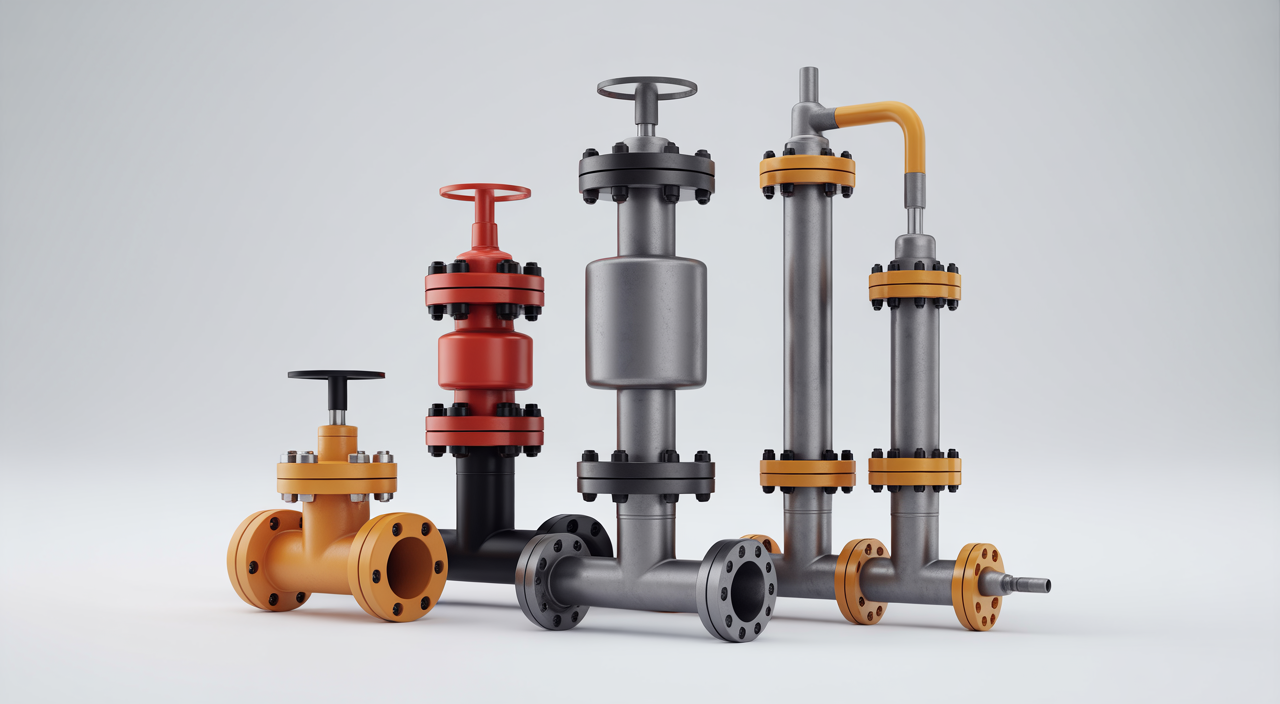
Main parts of a flare system include:
- Relief valves and blowdown valves that release pressure from process equipment
- Header and sub header piping that carry the flare vent gas to the stack
- Knockout drum to remove liquids so only gas reaches the flame
- Flare stack and flare tip where gas is mixed with air and burned
- Pilot and ignition system that keep the flame ready at all times
- Seals and purging systems to prevent air from flowing back into the flare line
When pressure in a vessel rises too high, the relief valves open. Gas flows to the knockout drum, liquids drop out, and the clean gas goes up to the flare stack. At the flare tip, stable combustion turns this gas into mainly carbon dioxide and water vapour.
Section 2: Design essentials and key standards
Good flare stack design starts with one simple question. What is the worst case gas load that could ever reach the flare during an emergency? To answer this, engineers study many scenarios such as power failure, cooling water loss, or sudden shutdown of large compressors.
Based on these scenarios, they perform relief valve sizing following widely used standards like API 521. The goal is to find the maximum combined gas flow rate. This flow decides the diameter of the flare header, the size and type of flare tip, and the required stack height.
Some practical design points:
- Relief valve sizing: Slightly conservative assumptions give a safety cushion without making the system too costly.
- Flare tip selection: For plants near cities or sensitive areas, smokeless combustion tips are often preferred to control visible emissions.
- Heat radiation and noise: Stack height and location must ensure safe radiation levels at the ground and acceptable noise at plant boundaries.
For Indian investors involved in new projects, it helps to check that these design studies and relief scenario analyses are clearly documented and reviewed by an independent expert.
Section 3: Regulatory and environmental compliance
Worldwide, regulators see flaring as both a safety tool and an environmental concern. Many regions now push companies to reduce continuous flaring and only use the flare during upsets or planned maintenance.
Key themes you will hear in any discussion on flare system oil and gas compliance include:
- Emission limits: Caps on allowed flaring volumes, smoke, and noise.
- Monitoring: Continuous flame monitoring, flow measurement, and emission reporting.
- Reporting and audits: Monthly or annual reports on flared gas volume and reasons for flaring events.
Many operators now invest in smokeless combustion technologies, better flare tip designs, and flare gas recovery units. Flare gas recovery captures gas that would otherwise be burned and feeds it back for use as fuel or feedstock. This reduces emissions and can create a strong return on investment.
Section 4: Project roadmap and cost considerations
From an investor’s point of view, a flare project should be viewed as a full life cycle investment, not just a purchase of a single piece of equipment. A clear roadmap often covers:
- Relief load study and flare header analysis
- Selection of stack type and height
- Flare tip, pilot, and ignition system choice
- Integration with control and monitoring systems
- Construction, commissioning, and performance testing
Costs fall into two categories. CAPEX, or capital expenditure, covers design, engineering, supply, and construction. OPEX, or operating expenditure, covers pilot gas, purge gas, periodic checks, and repairs. Adding flare gas recovery slightly increases CAPEX, but it often lowers OPEX and can generate revenue from recovered gas.
For boardroom discussions, a simple spreadsheet based ROI model is often enough. You can compare different flare system supplier bids, add realistic gas prices, and see payback periods. This is similar in spirit to how businesses evaluate other technology investments, like customer engagement solutions for growth focused companies.
Section 5: Operations, maintenance, and safety
A flare system is a safety net that must work perfectly on the rare day it is truly needed. This means it needs disciplined operation and maintenance even when it looks “idle.”
Good practices include:
- Regular inspection of pilots, ignition systems, and seals
- Checking the knockout drum for liquid level and corrosion
- Verifying that instruments and flame monitors are giving correct signals
- Recording all flaring events with time, cause, and volume estimates
Many modern plants now connect their flare systems to remote monitoring and analytics. Over time, this data helps reduce unnecessary flaring, plan maintenance shutdowns better, and prove compliance during audits. Strong flare safety protocol training for operators and maintenance teams adds another layer of protection.
Section 6: What Indian investors should look for
When you review a project or an existing facility, you do not need to re do the technical calculations yourself. Instead, focus on a few smart questions and documents.
- Is there a recent relief load and flare study, signed by a qualified engineer?
- What are the emission and flaring targets for the site over the next five to ten years?
- Has the team evaluated flare gas recovery and low noise, smokeless flare tips?
- Is there a written flare system maintenance checklist and inspection plan?
- How is flare performance tracked and reported to management and regulators?
These points help you judge whether the plant is thinking long term about efficiency, compliance, and sustainability. The same mindset of structured evaluation is useful in many other areas, from industrial projects to services like choosing reliable vacuum truck services for complex operations.
FAQs on flare systems in oil & gas
Q1: How can a plant reduce routine flaring without risking safety?
Start by analysing why routine flaring happens. Often it is due to poor control logic, frequent start stop of compressors, or lack of storage for off spec gas. Improving process control, adding small buffer tanks, and tuning shutdown procedures can cut flaring sharply. None of this changes the core safety function of the flare system; it only reduces how often it is used.
Q2: Are smokeless flare tips worth the extra cost?
In many cases, yes. Smokeless tips improve local air quality, reduce visible emissions, and make it easier to meet strict environmental norms. For plants near populated areas or sensitive zones, the positive impact on community relations and regulatory comfort can be significant. When combined with flare gas recovery, they also support corporate sustainability goals.
Q3: What is the typical life of a flare stack and tip?
With proper materials and a good maintenance program, a flare stack can often last 20 years or more. Flare tips may need replacement earlier, depending on gas composition, temperature, and usage patterns. Regular inspection allows plant teams to plan replacements during scheduled shutdowns, avoiding unplanned outages and keeping both safety and budgets on track.

Nathan Schexnayder was born in Washington State, Studied at Washington State University. Currently working as Blogger at Speakitsname, Nathan Schexnayder helps readers learn the FIELD Business, General, Health & Fitness, Marketing etc hone their skills, and find their unique voice so they can stand out from the crowd.
