
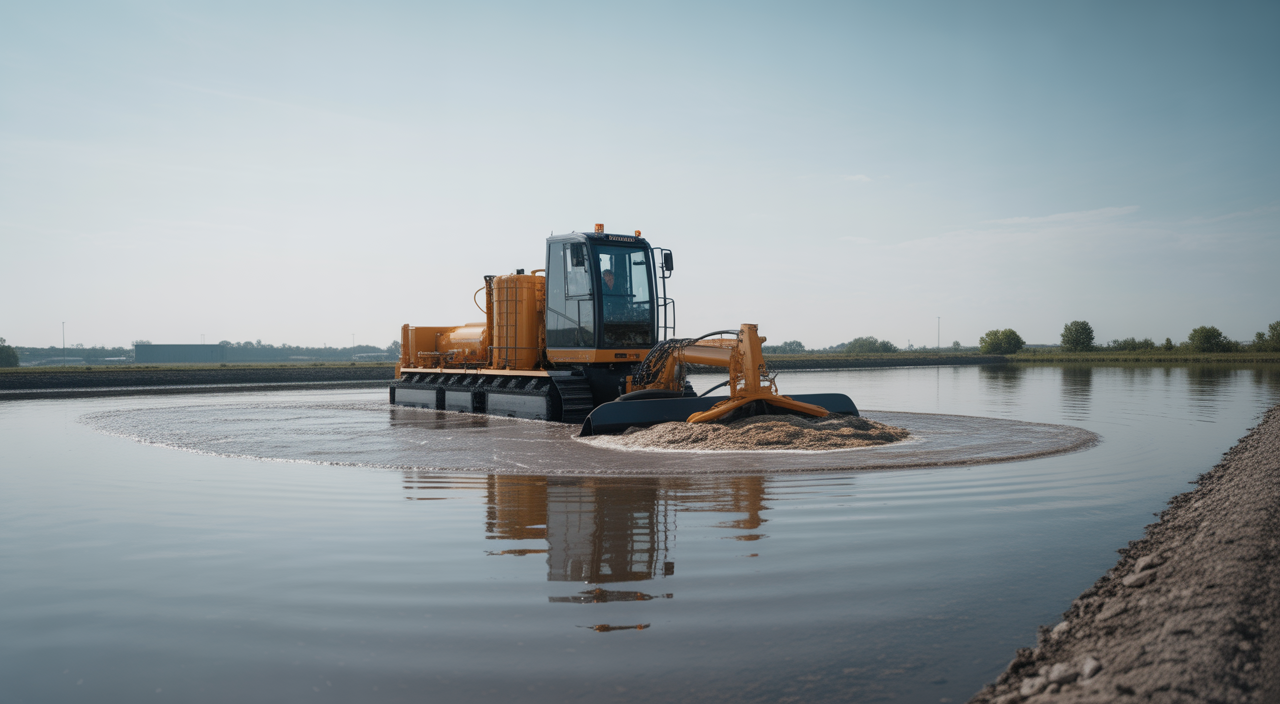
Do you face challenges with declining capacity, rising operating costs, or difficulty meeting environmental standards in your wastewater treatment facility? These issues often point to one common culprit: the unseen accumulation of sludge and sediment. This buildup can silently undermine your entire system, leading to inefficient operations and potential regulatory problems. Understanding and addressing this challenge is crucial for any modern treatment plant.
The solution often lies in specialized equipment designed for removing this unwanted material. A wastewater dredge is a powerful tool built specifically for this purpose. It helps keep your facilities running smoothly and efficiently. Let’s explore how this vital process works and why it’s so important.
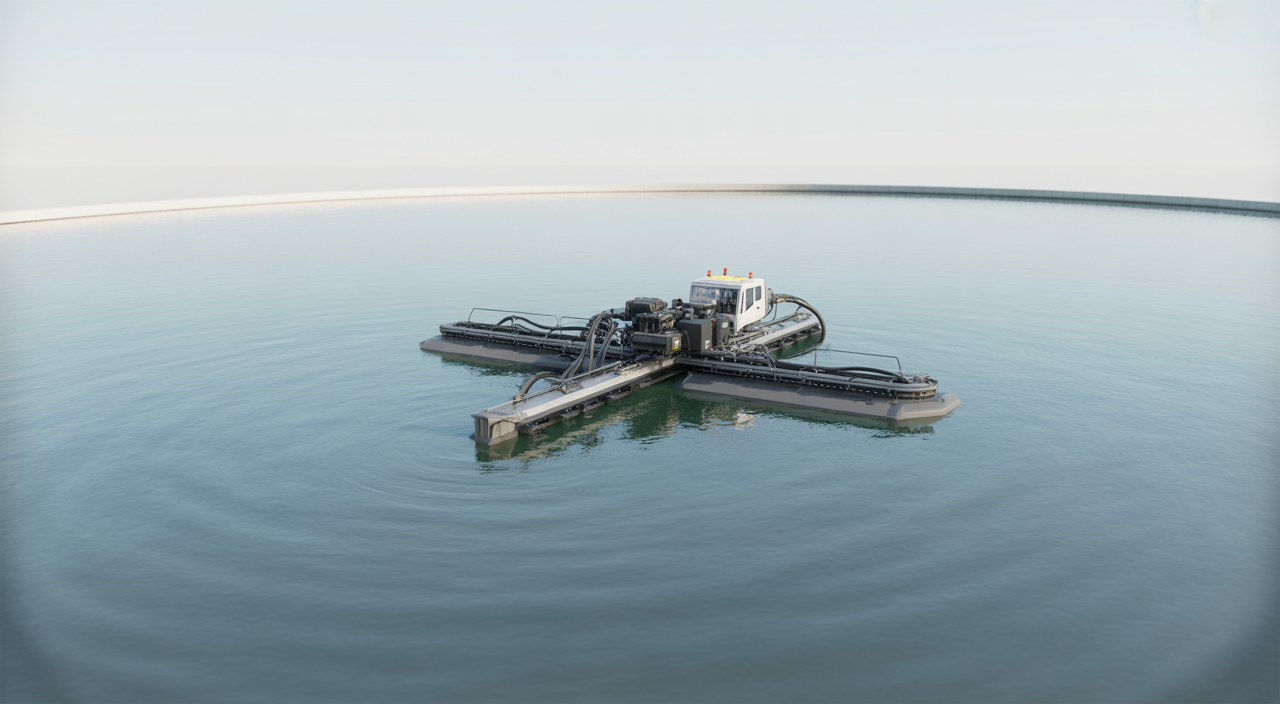
What is Wastewater Dredging? Beyond Simple Sludge Removal.
Wastewater dredging is the process of removing accumulated solids from wastewater treatment lagoons, clarifiers, ponds, and other industrial basins. These solids, often called sludge or sediment, build up over time. This buildup reduces the effective volume of your treatment units. It also hinders the biological and chemical processes meant to clean the water.
The main goal of dredging is to restore the original capacity of these systems. It helps improve overall treatment efficiency. It also prepares the sludge for further processing, like dewatering. While manual methods might seem like an option for sludge removal, they often fall short. They can be dangerous, time-consuming, and less effective in large or deep areas.
Why is Proactive Wastewater Dredging Essential for Your Facility?
Regular and proactive wastewater dredging offers many benefits. It helps maintain a healthy and efficient treatment plant.
Restoring Capacity and Optimizing Performance
Sludge accumulation takes up valuable space in your lagoons and clarifiers. This reduces their effective volume. When this happens, the water has less time to be treated properly. It’s known as hydraulic retention time. Dredging removes this excess sludge. It restores the original design capacity of your system. This allows your plant to process wastewater more effectively and efficiently.
Ensuring Regulatory Compliance & Avoiding Fines
The quality of the water discharged from your plant, known as effluent, is strictly regulated. High levels of sludge can negatively impact effluent quality. This can lead to violations of environmental permits. Proactive dredging helps maintain consistent treatment performance. This ensures you meet environmental standards and avoid costly fines.
Reducing Operational Costs & Energy Consumption
A plant struggling with heavy sludge buildup uses more energy. Pumps and aerators have to work harder to move water and maintain oxygen levels. By removing sludge, you reduce the strain on this equipment. This leads to lower energy bills and reduced wear and tear. Furthermore, modern dredging methods, especially automated systems, minimize the need for dangerous manual labor. This saves on labor costs and improves safety.
Extending Infrastructure Lifespan
Sludge can be abrasive or corrosive. Over time, it can damage the liners of lagoons or the concrete structures of clarifiers. Regular dredging prevents this physical degradation. It extends the operational life of your valuable infrastructure. This saves significant money on repairs and replacements.
Enhancing Safety and Minimizing Downtime
Manually removing sludge often requires workers to enter confined spaces. These are hazardous environments. Modern automated dredging solutions, especially remote-controlled units, remove sludge without human entry. This drastically improves safety. Also, dredging can often be done without completely shutting down your facility. This means less disruption to your continuous operations.
Types of Wastewater Dredges: Finding the Right Wastewater Dredge for the Job
The type of dredge best suited for your facility depends on the specific characteristics of your sludge and site. There are two main categories of dredges.
Hydraulic Dredges
Hydraulic dredges work by mixing the sludge with water. They create a slurry, which is a watery mixture. A powerful pump then sucks this slurry through a pipeline. This method is highly efficient for continuous operation. It works best with softer, less consolidated sludges. You will often find them in large lagoons and settling ponds.
Mechanical Dredges
Mechanical dredges use buckets, claws, or similar attachments. These tools scoop up and remove thicker, more consolidated sludge. They can also handle debris that might be mixed in with the sludge. They are often used in smaller areas or for very specific types of industrial sludge where a hydraulic system might clog.
Remote-Controlled vs. Manned Dredges
Many modern wastewater dredges are remote-controlled. This means an operator can control the machine from a safe distance. This greatly enhances safety by keeping personnel out of hazardous environments. Remote-controlled dredges also offer greater precision and can access areas that might be difficult or impossible for manned equipment. Some situations might still require manned dredges, depending on the scale and complexity of the project.
The Wastewater Dredging Process: From Assessment to Disposal
Effective dredging involves several key steps to ensure thorough and safe sludge removal.
Initial Site Assessment & Sludge Profiling
Before any dredging begins, experts conduct a detailed assessment. This involves understanding the exact volume, density, and composition of your sludge. They also map the contours of your lagoon or clarifier. This step is critical for planning the most effective dredging strategy tailored to your specific needs.
Equipment Deployment & Operation
The chosen dredge is then launched and positioned. Operators use precise controls to systematically remove the sludge. They work to minimize disruption to the water column and surrounding environment. For example, some specialized dredges are designed for delicate work inside active clarifiers.
Slurry Transport & Dewatering
Once removed, the sludge slurry is pumped through pipelines. It moves to a designated dewatering site. Here, technologies like geotubes, belt presses, or drying beds separate the water from the solids. The goal is to reduce the volume of the sludge. This makes it easier and more cost-effective to handle and dispose of.
Sludge Disposal
After dewatering, the treated sludge must be disposed of properly. Options include land application, landfill disposal, or beneficial reuse. The specific method depends on local regulations and the sludge’s characteristics. Environmental compliance is a top priority throughout this final stage.
Key Considerations When Choosing a Wastewater Dredge Solution
Selecting the right dredging solution requires careful thought. Many factors play a role in making the best decision for your facility.
Sludge Characteristics
The nature of your sludge is paramount. Is it thick or thin? Does it contain high solids content? Is it abrasive? The answers will guide the choice between hydraulic or mechanical dredges and specific pump types.
Site-Specific Challenges
Consider the physical layout of your facility. Are there access limitations for equipment? What is the water depth? Is debris present in the sludge? Are there active operational constraints that need to be considered?
Regulatory Environment
Always be aware of local, state, and federal regulations regarding sludge removal and disposal. A reputable dredging provider will help ensure all operations are fully compliant. This protects your facility from legal issues.
Budget & ROI
Evaluate the overall cost of the dredging project. This includes equipment, labor, dewatering, and disposal. Compare this with the long-term savings. Think about improved efficiency, reduced energy use, and avoided fines. A good dredging solution provides a strong return on investment.
Expertise of the Provider
The experience, specialized equipment, and safety record of your dredging partner are crucial. Look for a provider with a proven track record in wastewater environments. Their expertise can make a significant difference in the success and efficiency of the project. For example, consider partners who offer effective techniques for industrial pond dredging, as this is a highly specialized area.
Real-World Impact: Application Scenarios in Wastewater Dredging
Effective wastewater dredging transforms facilities. Here are some common examples of its positive impact.
- Municipal Wastewater Plants: A city treatment plant might face reduced capacity in its anaerobic lagoons. This slows down the natural breakdown of waste. Regular dredging removes accumulated organic sludge. This restores the lagoon’s treating power and helps meet discharge limits.
- Industrial Facilities: A food processing plant could have settling ponds filling up with organic solids. This causes odor issues and potential permit violations. Specialized wastewater dredges can efficiently remove these specific types of industrial sludge, preventing environmental problems and maintaining smooth operations.
- Power Generation Plants: Ash ponds or cooling water basins can accumulate fine silts and sediments. These reduce storage volume and clog intake screens. Dredging helps maintain the plant’s critical water management infrastructure, ensuring continuous power production.
Partnering with the Experts: Your Next Steps in Sludge Management
Managing sludge effectively is a complex but vital part of wastewater treatment. Professional wastewater dredging offers a strategic advantage. It ensures your plant operates at its peak, complies with environmental laws, and remains cost-effective.
Ready to explore advanced, reliable wastewater dredge solutions tailored to your facility’s unique needs? Discover how specialized services can help you achieve optimal efficiency and compliance.
Conclusion: A Clearer Future for Your Wastewater Operations
Proactive wastewater dredging is more than just maintenance. It’s a strategic investment in the health and longevity of your wastewater treatment infrastructure. By tackling sludge buildup head-on, you ensure sustained operational efficiency, meet regulatory demands, and safeguard your financial resources. Choose to manage your sludge smartly for a clearer, more sustainable future.
Frequently Asked Questions (FAQs)
What happens if you don’t dredge your wastewater lagoons or clarifiers?
Ignoring sludge buildup can lead to several problems. Your treatment system’s capacity will decrease, making it less efficient at cleaning water. This can cause higher energy costs as pumps work harder. You might also struggle to meet environmental discharge limits, leading to potential fines or regulatory actions. In some cases, prolonged buildup can even damage the physical structure of your lagoons or clarifiers.
How often should wastewater dredging be performed?
The frequency of dredging depends on several factors. These include the type of wastewater being treated, the rate of sludge accumulation, the design of your facility, and regulatory requirements. It can range from every few years to every decade or more. A professional assessment by dredging experts can determine the ideal schedule for your specific plant, ensuring you only dredge when necessary for optimal performance and compliance.

Nathan Schexnayder was born in Washington State, Studied at Washington State University. Currently working as Blogger at Speakitsname, Nathan Schexnayder helps readers learn the FIELD Business, General, Health & Fitness, Marketing etc hone their skills, and find their unique voice so they can stand out from the crowd.
