
Why your choice of plastic cap partner matters
When you pick a plastic cap supplier, you are not just buying a small part. You are choosing how your product will look on the shelf, how safe it will be, and how smoothly your supply chain will run. For brands and OEMs across India, the right plastic cap manufacturer delhi can reduce cost, avoid leaks, and help you launch faster.
Delhi NCR is one of India’s busiest packaging hubs. You get access to skilled labour, strong logistics, and a wide range of raw material suppliers. This makes it easier to handle large orders, tight timelines, and frequent design changes.
If you are a procurement manager, packaging engineer, or business owner, the key is to balance quality, price, and reliability. Let us break down what to check before you finalise your cap and closure supplier.
Know your plastic cap options and materials
Most caps in the market are made from three main plastics. Knowing the basics helps you speak the same language as your plastic closure manufacturer and choose the right option for your product.
- PP (Polypropylene) – Light, strong, and resistant to many chemicals. Common for beverage, pharma, and personal care caps. Good for flip-top and screw caps.
- HDPE (High-Density Polyethylene) – Tough and slightly flexible. Suitable for detergent, agro-chemical, and industrial containers. Works well for containers that may be squeezed.
- PET (Polyethylene Terephthalate) – More often used for bottles, but sometimes for specialised closures. Offers clarity and good strength.
Beyond material, you should also think about cap type and function:
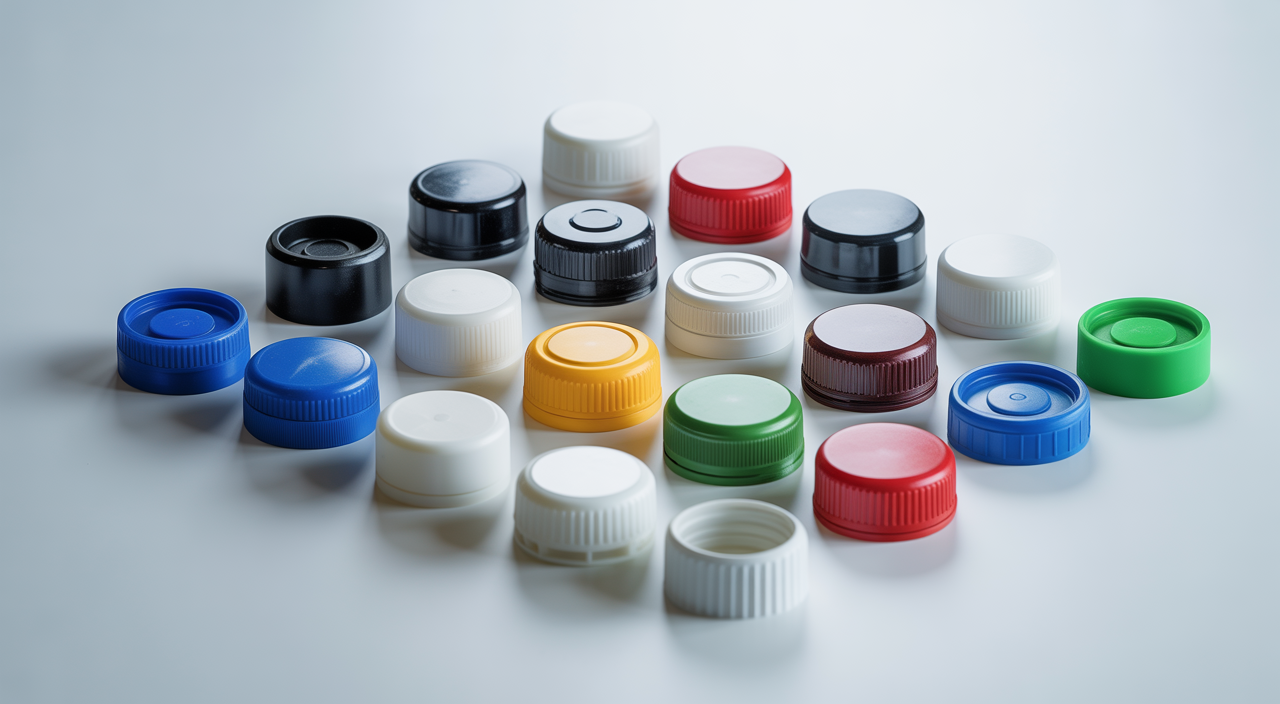
- Tamper-evident caps – Rings or bands break on first opening, showing clear proof of use. Ideal for edible oils, beverages, and high-value products.
- Child-resistant caps – “Push & turn” style mechanisms that prevent easy opening by children. Used for certain pharma and chemical products.
- Flip-top and disc-top caps – Perfect for shampoos, lotions, handwash, and other daily-use liquids.
- Simple screw caps – Cost-efficient option for many FMCG and industrial products.
A good plastic cap manufacturer in Delhi will guide you on which material and design pair best with your bottle neck finish, product viscosity, and filling line setup.
Inside the plastic bottle cap manufacturing process
Understanding how caps are made helps you judge a supplier’s capability. The core technology used is usually injection moulding, where molten plastic is injected into a metal mould to form the cap.
The process typically includes:
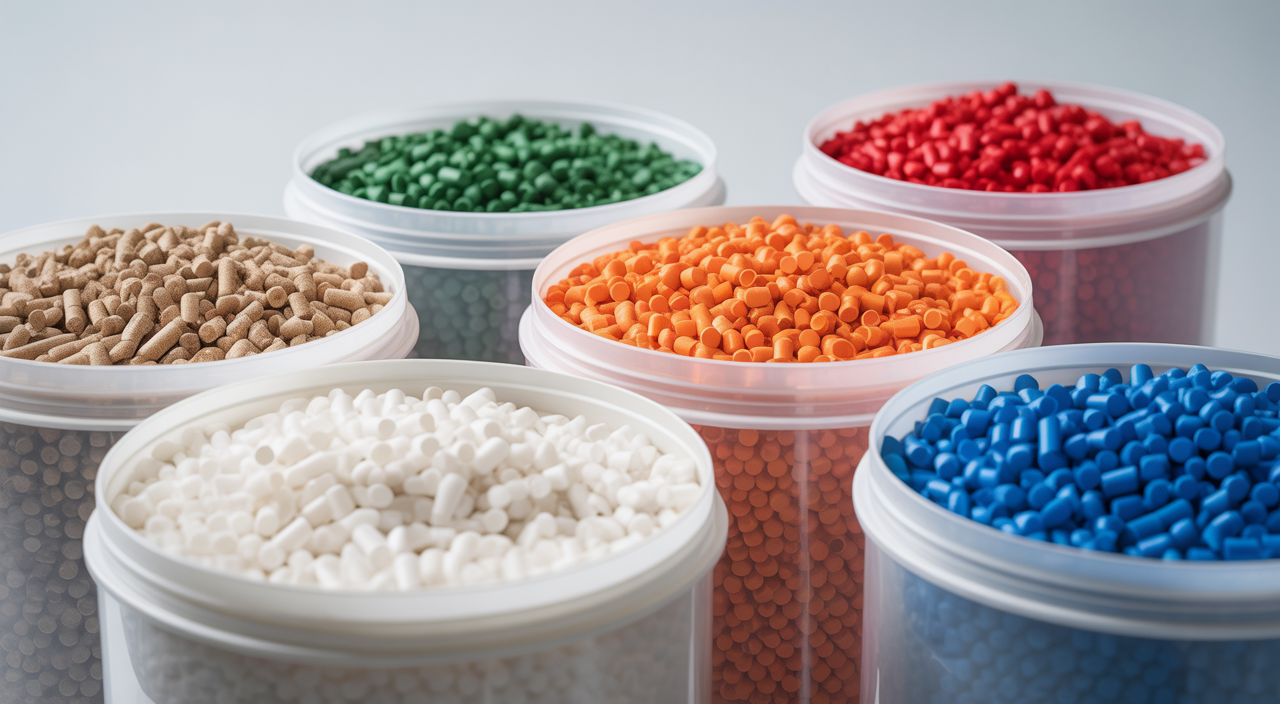
- Raw material selection – Food-grade or pharma-grade PP/HDPE pellets are sourced from trusted suppliers. Top manufacturers insist on grade certificates and batch traceability.
- Drying and colouring – Plastic granules may be dried and mixed with colour masterbatch to match your brand shade.
- Injection moulding – High-precision machines melt the plastic and inject it into multi-cavity moulds. The more cavities, the higher the output and the better the capacity for large orders.
- Trimming and assembly – Excess material is trimmed, tamper bands are formed, and any inserts or liners are added.
- Printing and decoration – Some caps get printed logos, embossing, or surface textures for better grip and branding.
- Quality checks and packing – Caps are checked for size, colour, weight, and fit, then packed in clean bags and cartons.
When your supplier shares clear details about these steps, you gain confidence in consistency, hygiene, and long-term reliability.
Smart customisation options for Indian brands
Today, caps do much more than just close a bottle. They carry your brand identity and improve the user experience. A capable custom plastic caps manufacturer should offer:
- Colour matching – Precise matching with your label, bottle, or brand colours using masterbatch recipes.
- Embossing and debossing – Raised or recessed logos and text that are hard to copy and add a premium feel.
- Surface finishes – Matt, glossy, ribbed, or textured finishes for a better grip and a distinct look.
- Bi-colour caps – Two-tone designs that immediately stand out on shelves.
For Indian investors and brand owners, two points matter here: minimum order quantity (MOQ) and tooling cost. New designs may need fresh moulds, which means an upfront investment. Check:
- MOQ for standard vs customised caps
- Who owns the mould after it is made
- How many revisions are included in the tooling cost
Quality assurance, testing, and compliance
Packaging safety is under strong focus, especially in food, beverage, and pharma. When you evaluate a closure manufacturing Delhi supplier, ask about:
- Compliance with relevant standards such as food-grade norms and local regulatory guidelines.
- Material certifications to prove that PP/HDPE resin is suitable for direct or indirect food contact.
- In-house testing like leak tests, torque tests, drop tests, and stress cracking checks.
For export-focused brands, it also helps if your PP bottle caps supplier understands international requirements and can supply documentation on request.
Key advantages of working with a Delhi-based cap specialist
Choosing a trusted plastic cap manufacturer in Delhi offers several practical benefits, especially if your plants are in North or West India.
- Faster deliveries thanks to proximity to major highways, dry ports, and logistics hubs.
- Flexible MOQs that support both trial runs and full-scale rollouts.
- On-site visits so your technical and quality teams can audit facilities and approve samples quickly.
- Better coordination between your bottle supplier, filler, and cap vendor located in the same region.
When you review suppliers, look at their installed machine capacity, number of moulds, shift patterns, and track record of handling seasonal peaks. This is where a proven cap and closure supplier becomes a long-term strategic partner instead of just another vendor.
Practical checklist before you finalise your supplier
Use this quick checklist while shortlisting a plastic closure manufacturer:
- Do they offer PP, HDPE, and specialised materials suitable for your product?
- Can they produce tamper-proof plastic caps or child-resistant designs if needed?
- What is their standard MOQ for existing designs and for new custom designs?
- How many days for samples, and how many for first production after approval?
- What testing methods and quality certifications do they follow?
- Can they scale up capacity if your volumes double in the next 1–2 years?
Having this clarity at the start saves time, prevents redesigns, and keeps your packaging line running smoothly.
How to move from enquiry to long-term partnership
Once you have shortlisted a few suppliers, request technical data sheets, drawings, and physical samples. Share your bottle specs, product type, required shelf life, and filling conditions. This allows your chosen partner to recommend the most efficient cap design.
It is also wise to sign off on a clear quality agreement that covers tolerances, acceptable defect levels, and packing standards. For inspiration on building strong vendor relationships, you can read about improving customer engagement and long-term growth.
If you handle multiple product categories, consider working with one Delhi-based HDPE cap manufacturer or PP closure supplier who can support all lines. This reduces complexity and gives you better pricing across SKUs. You can also explore resources on scaling operations and business growth as your packaging footprint expands.
FAQs
Q1. What is the typical MOQ when ordering from a plastic cap manufacturer in Delhi?
MOQs vary by design and mould size, but many suppliers offer lower quantities for standard caps and higher MOQs for custom designs. For common PP or HDPE caps used in beverages and personal care, MOQs can be quite reasonable, which is helpful for new launches. Custom caps that need a fresh mould usually have higher MOQs to justify tooling and setup time.
Q2. How quickly can I get samples and start mass production?
If you choose an existing standard design, samples can often be shipped within a few days, and production can start soon after you approve them. For a new design with a custom mould, you should plan for additional time to create the tool, run trials, and fine-tune the cap. Clear communication with your Delhi-based partner helps you lock in realistic yet comfortable lead times.
Q3. Can I get eco-friendly or recyclable plastic closures?
Yes, many modern suppliers focus on recyclable materials and lightweight designs to reduce plastic usage. PP and HDPE are widely recycled, and design changes like thinner walls or shorter skirts can cut material consumption without affecting performance. Discuss your sustainability goals with your manufacturer so they can suggest the best eco-friendly options for your product.

Nathan Schexnayder was born in Washington State, Studied at Washington State University. Currently working as Blogger at Speakitsname, Nathan Schexnayder helps readers learn the FIELD Business, General, Health & Fitness, Marketing etc hone their skills, and find their unique voice so they can stand out from the crowd.