

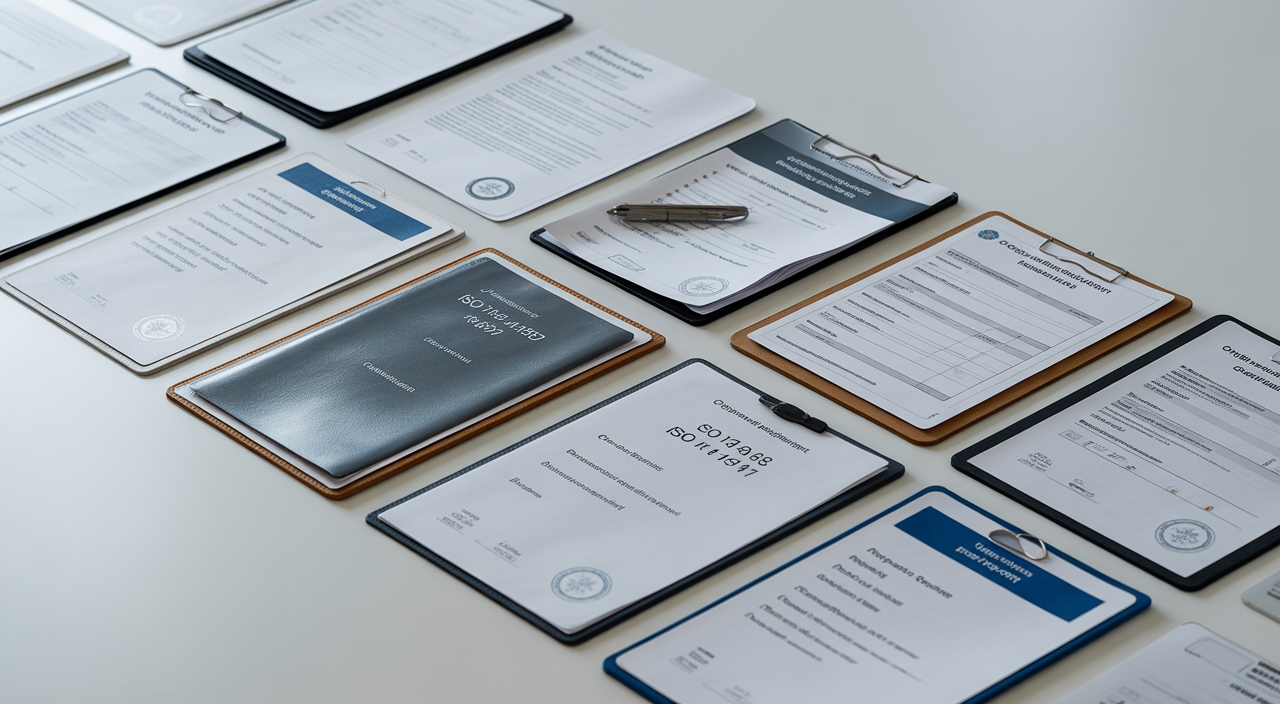
What exactly is a Free Sale Certificate in India?
A Free Sale Certificate (FSC) in India is an official document issued by the Central Drugs Standard Control Organization (CDSCO). It confirms that your medical device or in vitro diagnostic (IVD) is legally sold in the Indian market and can be exported. Many overseas regulators and buyers treat this certificate as proof that your product is trusted and accepted in India.
If you plan to export medical devices, you will often be asked for a free sale certificate india during product registration or at customs. Having it ready helps you avoid last‑minute rush, extra questions from authorities, and possible shipment delays.
For Indian investors and manufacturers, this certificate is more than a formality. It is a strong signal that your device meets local regulatory standards, follows good quality practices, and is ready for expansion into global markets.
Key benefits of Free Sale Certificate India for exporters
Getting an FSC gives your international partners confidence in your device. It shows that your product meets CDSCO rules and is already accepted in a large and growing healthcare market. For many countries, this is a major comfort factor.
The FSC also speeds up foreign registrations and customs clearances. When regulators see that a national authority has already checked your product, they often process your file faster. This saves time, effort, and carrying costs on inventory.
The document also points to strong quality management. In practice, it tells the world that your systems follow standards like ISO 13485, ISO 14971 and other relevant technical norms. This can support wider business strategies, including new distributor tie‑ups and fresh investment into capacity expansion.
Documents and prerequisites you should prepare
Before you apply for a Free Sale Certificate, it is wise to prepare a neat document set. This reduces back‑and‑forth with CDSCO and keeps your timeline under control. Think of it as your export readiness checklist.
Key prerequisites usually include:
- Duly filled Form MD‑14 (application for FSC)
- Copy of valid CDSCO registration or import licence for the device
- Short technical dossier (device description, intended use, key specifications)
- Quality Management System evidence such as ISO 13485 certificate
- Risk management summary aligned with ISO 14971
- Declaration of Conformity signed by an authorised person
- Details of Authorized Indian Representative with valid Drug Wholesale Licence (20B/21B or 20BB/21BB)
- Power of Attorney or Board Resolution for the authorised signatory
- Proof of fee payment and, where applicable, retention fee payment
Maintaining this documentation in a clean digital folder is a smart habit. It also helps for other regulatory projects such as renewals, tenders, and due diligence by investors.
How long is an FSC valid?
In India, a Free Sale Certificate is generally valid for 12 months from the date of issue. Some importing countries may also look at this validity period when you file applications with them. So, think of it as a yearly passport for your device in foreign markets.
To stay fully covered, try to apply for renewal at least two to three months before expiry. This prevents any gap in documentation while you are in the middle of a tender or a shipment. In some cases, CDSCO may set conditions or ask for clarifications, which can slightly influence how long the certificate is considered acceptable.
Step-by-step process to obtain Free Sale Certificate India
The FSC process is structured but very manageable when broken into clear steps. Here is a simple overview that most Indian manufacturers and foreign investors can follow with ease.
- Document preparation
Gather all prerequisites and ensure that your references to ISO 13485, ISO 14971 and any device‑specific standards (like IEC 60601 for electrical safety or IEC 62304 for medical software) are correct and current. - Online submission of Form MD‑14
Log into the CDSCO SUGAM portal and fill Form MD‑14 for the device. Upload all supporting documents in clear, readable PDF format with logical file names. - Fee payment
Pay the prescribed CDSCO application fee online and safely store the payment receipt. It becomes useful for follow‑up and internal audits. - CDSCO review period
Typical review timelines range from about 3 to 6 months. During this period, the authority may raise queries. Reply quickly and clearly to keep your case moving smoothly. - Grant of FSC (Form MD‑15)
Once approved, CDSCO issues the certificate in Form MD‑15. Download it, check all details such as device name, model, and manufacturer, and then use it for your export and registration activities.
Common mistakes to avoid in your FSC application
Many delays arise from small, avoidable errors. By staying alert to these points, you can save weeks of time and avoid unnecessary follow‑ups with regulators or business partners.
- Uploading incomplete or missing attachments with Form MD‑14
- Describing the device classification in a rigid way instead of stating it is “generally notified as Class B” or similar as per CDSCO’s risk‑based rules
- Skipping the Authorized Indian Representative’s valid Drug Wholesale Licence details
- Not mentioning risk management activities aligned with ISO 14971
- Assuming fixed timelines and promising exact delivery dates to foreign buyers
For broader business planning tips, you may also like this guide on using business setup consultants to support expansion. Strong regulatory planning and strong business planning usually go hand in hand.
What happens if you skip or delay your FSC?
While the overall regulatory system is supportive of genuine manufacturers, ignoring the FSC requirement can create friction in your export journey. For example, customs in the importing country might hold your consignments until you provide clear regulatory proof.
Foreign authorities may also take longer to process product registrations without evidence of lawful sale in your home market. Distributors, who often work on tight timelines and credit cycles, may start to worry if approvals keep getting pushed.
This can lead to extra follow‑up work, additional administrative costs, and missed sales windows. Staying prepared with a valid Free Sale Certificate helps you move from reactive problem‑solving to proactive growth planning.
Costs to plan for when applying
Actual amounts may change with time and policy updates, but you can keep a rough budget range in mind. For many exporters, these costs are small compared to the revenue potential of new markets.
- CDSCO application fee: roughly INR 5,000 to 15,000 per device
- Retention or late fee (if applicable): roughly INR 10,000 to 25,000
- Professional or service provider charges: roughly INR 20,000 to 50,000 depending on scope
When you add these costs to your market entry plan, you can better estimate pricing, break‑even points, and return on investment for overseas projects. Thoughtful planning is a habit shared by many successful exporters and investors.
How professional support can strengthen your application
Specialised regulatory consultants, such as ELT Corporate Pvt. Ltd., can review your MD‑14, attachments, and technical justifications before submission. This helps remove gaps and makes your file clearer for CDSCO reviewers.
They can also guide you on how best to present ISO 13485, ISO 14971, IEC 60601 and IEC 62304 compliance in a simple, audit‑friendly way. Many teams appreciate this support during renewals or when expanding to new device categories.
For more ideas on improving documentation and operational systems, you can explore this article on optimising key processes with the right software solutions. Strong internal systems make regulatory work smoother and more predictable.
Conclusion
Securing a Free Sale Certificate India is a key milestone for any medical device exporter. It confirms that your product is trusted in its home market and ready for international growth. With the right documents, clear processes, and attention to common pitfalls, you can move through the CDSCO review stage with confidence.
By planning ahead, budgeting wisely, and partnering with experienced specialists where needed, Indian manufacturers and investors can turn regulatory compliance into a real competitive advantage in global healthcare markets.
FAQs on Free Sale Certificate India
Q1: What is a Free Sale Certificate India in simple terms?
A Free Sale Certificate in India is a CDSCO‑issued document (Form MD‑15) that confirms your medical device or IVD is legally sold or freely exportable from India. Many foreign regulators and distributors ask for it during registration or import clearance.
Q2: How long does it usually take to get an FSC?
The review time is typically about 3 to 6 months from a complete and correct submission. The speed depends on document quality, how quickly you answer queries, and the overall workload at CDSCO.
Q3: Which forms are involved in the FSC process?
You use Form MD‑14 to apply for the certificate via the SUGAM portal. After approval, CDSCO issues the actual Free Sale Certificate in Form MD‑15.
Q4: Can one FSC cover multiple medical devices?
No, each distinct device or IVD, with its own design and intended use, generally requires a separate FSC application. Grouping unrelated devices under one certificate is not recommended.
Q5: When should I start the renewal process?
Because the certificate is normally valid for 12 months, start preparing renewal documents at least 2 to 3 months before expiry. This keeps your export pipeline and foreign registrations running smoothly without gaps.
Q6: Do foreign manufacturers need an Authorized Indian Representative for FSC?
Yes. Foreign manufacturers must appoint an Authorized Indian Representative holding a valid Drug Wholesale Licence (20B/21B or 20BB/21BB). This representative handles local regulatory communication, including the FSC process.

Nathan Schexnayder was born in Washington State, Studied at Washington State University. Currently working as Blogger at Speakitsname, Nathan Schexnayder helps readers learn the FIELD Business, General, Health & Fitness, Marketing etc hone their skills, and find their unique voice so they can stand out from the crowd.