
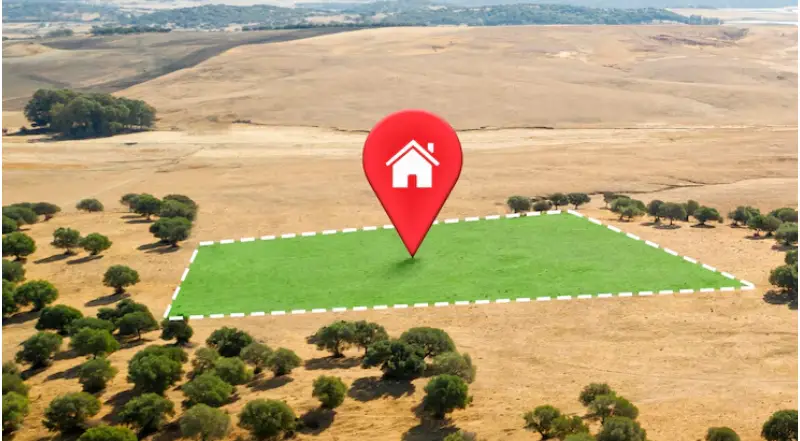
Before setting a price, you must understand the true market value of your land. This depends on location, zoning, access, nearby development, and recent sales of similar parcels. A local real estate agent or land appraiser can help estimate fair market value based on comparable properties. Overpricing may scare away buyers, while underpricing could mean losing out on profits. Accurate valuation ensures your asking price aligns with real-world demand.
Factoring in the Location and Surrounding Development
Location is one of the biggest influences on land pricing. sell vacant land near highways, city centers, schools, or upcoming infrastructure projects typically demands a higher price. Similarly, proximity to utilities or planned commercial or residential developments can increase the land’s value. When setting your asking price, consider how location affects a buyer’s potential use or future return on investment. Buyers will pay more if they see growth and convenience nearby.
Evaluating Zoning Laws and Land Use Restrictions
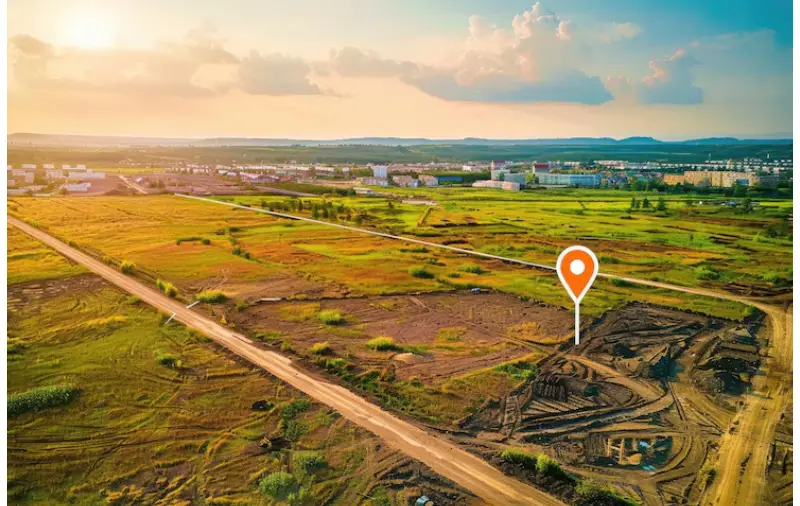
Zoning dictates what can be built on your land and plays a major role in pricing. Residential, commercial, or agricultural zoning all attract different buyers at different price points. A parcel zoned for multi-family housing will be priced higher than one zoned for farmland. Be sure to disclose zoning details upfront and consider the limitations they may pose. A buyer’s willingness to pay depends on what they can legally do with the land.
Reviewing Comparable Sales in the Area
One of the most practical ways to set your asking price is by reviewing recent sales of similar vacant lots in your area. Look at size, location, zoning, and features like road access or utilities. These “comps” give a realistic idea of what buyers are paying. Real estate platforms and county property records can help you collect this data. Pricing in line with local comps increases your chances of selling quickly and profitably.
Considering Access to Utilities and Road Connections
Buyers often assess how easy it is to build or develop land. If your vacant land has access to electricity, water, sewage, and roads, it becomes far more valuable. Landlocked or off-grid parcels typically sell for less unless targeted to specific buyers. Your asking price should reflect whether these essential services are available, nearby, or will require costly setup. Mentioning these clearly in your listing can justify your price point.
Factoring in Size, Shape, and Topography
The land’s physical characteristics also impact its value. A flat, rectangular lot is easier to build on and usually priced higher than sloped, oddly shaped, or uneven land. Larger parcels often command more money, but price per acre may decrease as size increases. When deciding how much to ask, consider how the size and shape affect usability. Topography can either enhance value or limit potential, depending on the buyer’s intended use.
Estimating the Cost of Holding the Land
If your land has been sitting for a while, consider how much it’s costing you—property taxes, maintenance, or association dues. The longer it takes to sell, the more you’ll pay in holding costs. This is why many sellers choose a slightly lower price to move the sale faster. If your goal is quick cash rather than maximum value, price accordingly to minimize long-term expense and free up your finances.
Weighing Market Demand and Buyer Trends
The local demand for land can shift depending on the economy, housing trends, and area development. If nearby properties are selling fast, it may be a seller’s market—so you can price higher. But if supply outweighs demand, competitive pricing becomes essential. Stay updated on local real estate trends to align your price with what buyers are actively paying. Monitoring market activity gives you a strategic edge when setting your price.
Deciding Between Retail Price and Wholesale Price
If you’re selling to an individual buyer looking to build, you can often ask for a higher retail price. But if you’re selling to an investor or land company paying in cash, expect a lower wholesale offer. The tradeoff? Wholesale deals often close faster with fewer complications. Decide what matters more—top dollar or quick sale—and adjust your asking price accordingly. Knowing your audience is key to pricing your land right.
Getting a Professional Land Appraisal Before Listing
When in doubt, get a land appraisal from a certified professional. An appraiser will assess all relevant factors—location, comps, zoning, and land condition—to give you an unbiased estimate. This is especially helpful if you’re unfamiliar with pricing or want backup during negotiations. Having documentation from a third-party expert supports your asking price and builds credibility with serious buyers who want to see a fair valuation.
Conclusion
Setting the right asking price for vacant land is a balance of research, market understanding, and realistic expectations. From zoning and location to utility access and buyer trends, each factor plays a key role in how much you can ask. Do your homework, study local comps, and consider getting a professional appraisal to guide your decision. A well-calculated price attracts more interest, speeds up the sale, and helps you maximize your return.
Resource URL:

Nathan Schexnayder was born in Washington State, Studied at Washington State University. Currently working as Blogger at Speakitsname, Nathan Schexnayder helps readers learn the FIELD Business, General, Health & Fitness, Marketing etc hone their skills, and find their unique voice so they can stand out from the crowd.