
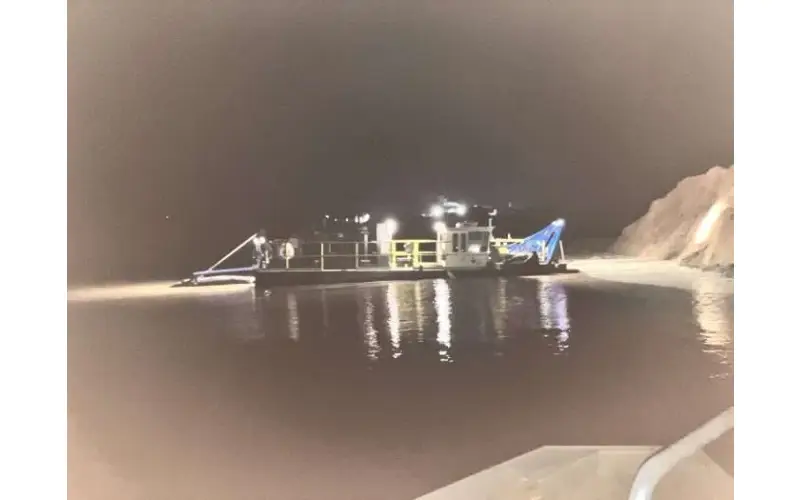
Coastal erosion, storms, and rising sea levels have significantly impacted beaches worldwide, leaving them damaged and vulnerable. One of the most effective solutions for beach restoration is the use of sand dredges. These specialized machines play a vital role in replenishing sand, protecting coastal ecosystems, and maintaining the beauty and functionality of our beaches.
Understanding Sand Dredging
Sand dredge is the process of extracting sand from the seabed, rivers, or other underwater sources and transporting it to eroded areas. This technique is essential for maintaining the balance of coastal areas, preventing further erosion, and supporting marine and human activities.
Types of Sand Dredges
There are several types of sand dredges used for beach restoration, including:
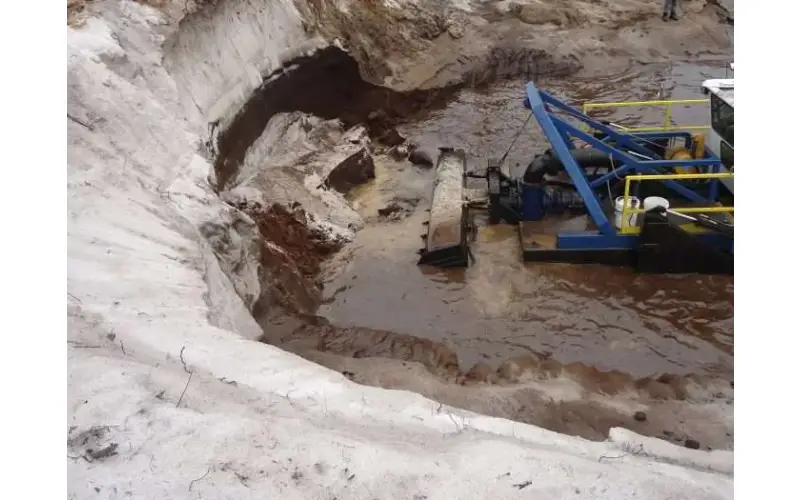
- Cutter Suction Dredges (CSD): These are equipped with a rotating cutter head to break up compacted sediments and suction systems to transfer the sand.
- Hopper Dredges: Ideal for offshore projects, they collect sand in a large hopper and transport it directly to the restoration site.
- Hydraulic Dredges: Use high-pressure water jets to dislodge and transport sand through pipelines.
- Mechanical Dredges: Employ excavators or cranes with buckets to scoop and relocate sand.
Each type is selected based on the project’s specific needs, such as the depth of the sand source, environmental considerations, and the volume of sand required.
Why Beach Restoration Is Necessary?
Beach restoration serves several critical purposes:
- Erosion Control: Restored beaches act as natural barriers, protecting coastal properties and habitats from storms and rising tides.
- Tourism and Economy: Beaches attract millions of tourists annually, contributing significantly to local economies.
- Ecosystem Preservation: Healthy beaches support diverse marine life, including nesting sites for endangered species like sea turtles.
- Recreational Use: Restored beaches provide spaces for activities like swimming, sunbathing, and fishing, enriching community life.
The Process Of Beach Restoration Using Sand Dredges
The use of sand dredges in beach restoration involves several well-coordinated steps:
- Survey and Planning: Engineers and environmentalists assess the extent of beach erosion and identify suitable sand sources. Advanced technologies like sonar mapping are often used to locate underwater sand deposits.
- Permitting and Compliance: Authorities ensure the project adheres to environmental regulations, safeguarding marine ecosystems and minimizing disruption.
- Dredging and Transport: Sand dredges extract sand and transport it to the restoration site via pipelines, barges, or trucks.
- Sand Placement: The sand is evenly distributed along the beach, either by pumping it directly or using bulldozers to shape and spread it.
- Final Shaping and Planting: To stabilize the new sand, vegetation like dune grasses is often planted, enhancing the beach’s resilience to future erosion.
Benefits Of Using Sand Dredges
The deployment of sand dredges offers numerous advantages:
- Efficiency: Sand dredges can move vast quantities of sand quickly, reducing project timelines.
- Precision: Advanced dredging technology allows for accurate sand placement, minimizing waste and environmental impact.
- Adaptability: Dredges can operate in diverse environments, from shallow lagoons to deep offshore sites.
- Cost-Effectiveness: Compared to other methods, dredging provides a scalable and economically viable solution for large-scale beach restoration projects.
Environmental Considerations
While sand dredging is essential for beach restoration, it must be carried out responsibly to avoid adverse effects:
- Impact on Marine Life: Extracting sand can disturb habitats, such as seagrass beds and coral reefs. Projects should include measures to mitigate these impacts.
- Sediment Plume Management: Dredging can create sediment plumes that reduce water quality and affect marine organisms. Using silt curtains and monitoring turbidity levels can help.
- Sustainable Sand Sourcing: Over-extraction from certain areas can lead to long-term environmental degradation. Identifying replenishable sand sources is crucial.
Case Studies: Successful Beach Restoration Projects
- Miami Beach, Florida: Extensive erosion threatened Miami Beach’s appeal and infrastructure. Using hopper dredges, millions of cubic yards of sand were sourced from offshore deposits and placed along the shoreline. The project not only restored the beach but also boosted tourism and property values.
- Gold Coast, Australia: Facing severe erosion, the city deployed hydraulic dredges to pump sand from a nearby seabed to replenish its iconic beaches. The project’s success highlighted the importance of ongoing maintenance and monitoring.
- Dutch Coastline, Netherlands: To combat rising sea levels, the Netherlands implemented a sand engine project, using cutter suction dredges to deposit massive amounts of sand in strategic locations. The sand is naturally redistributed by ocean currents, providing a long-term solution to erosion.
Challenges In Sand Dredging For Beach Restoration
Despite its benefits, sand dredging comes with challenges:
- High Initial Costs: The equipment and logistics required for dredging can be expensive.
- Regulatory Hurdles: Securing permits and adhering to environmental regulations can delay projects.
- Community Concerns: Local communities may have concerns about noise, disruptions, and environmental impacts.
- Sand Source Depletion: Over-reliance on certain sand sources can lead to shortages and ecological imbalance.
The Future Of Sand Dredging In Beach Restoration
Innovations in dredging technology and techniques promise a more sustainable future for beach restoration:
- Eco-Friendly Dredges: Modern dredges are being designed with features that reduce fuel consumption and minimize ecological footprints.
- Integrated Monitoring Systems: Real-time monitoring of sediment plumes and environmental parameters ensures compliance with regulations.
- Artificial Sand Sources: Research into producing synthetic sand or recycling construction waste offers alternatives to natural sand extraction.
- Long-Term Coastal Planning: Combining sand dredging with other measures, such as seawalls and vegetation planting, ensures comprehensive coastal protection.
Conclusion
Sand dredges are indispensable tools in the fight against coastal erosion and the restoration of damaged beaches. By efficiently extracting and relocating sand, they help protect ecosystems, boost economies, and preserve natural beauty. However, their use must be balanced with environmental stewardship and long-term planning to ensure sustainable outcomes. With continuous advancements in technology and growing awareness of ecological concerns, sand dredging will remain a cornerstone of coastal restoration efforts worldwide.

Hello, I’m Frederic Ho, a seasoned writer based in the bustling city of Seattle, United States. With a deep well of knowledge in business and technology, I craft insightful content that navigates the intricacies of these dynamic realms. Join me as I explore the intersection of innovation and commerce, providing a fresh perspective on the ever-evolving landscape of business and technology.