
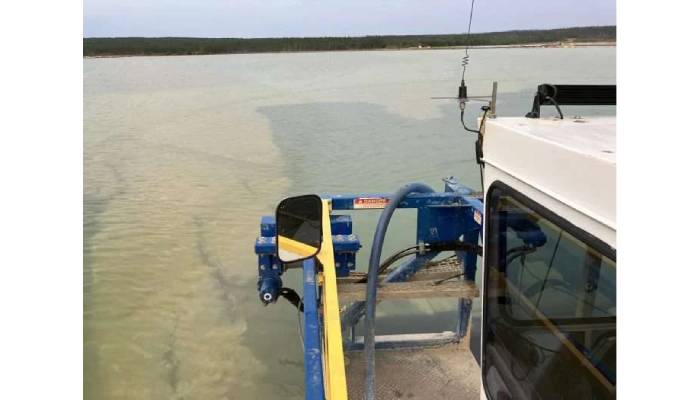
Mining is essential, but it leaves behind waste called mine tailings. These tailings can be harmful to the environment if not managed well. That’s where mine tailings dredge comes in. It’s a way to safely and sustainably handle these tailings.
This guide will explain everything about **mine tailings dredge**. We’ll cover what it is, how it works, and why it’s so important for responsible mining practices.
Ready to learn how industrial pond dredging helps protect the environment and improve mining operations? Let’s dive in.
Understanding Mine Tailings and Their Challenges
Mine tailings are the leftover materials from mining. They’re a mix of ground rock and processing liquids. These tailings can contain harmful chemicals and heavy metals.
If not properly managed, tailings can cause serious environmental problems. Imagine polluted water, harmed wildlife, and even catastrophic dam failures. Proper management is key to preventing these outcomes.
What are Mine Tailings?
Tailings vary depending on the type of mine. They can be fine sands, slimes, or a combination. The composition depends on the ore being mined and the extraction process used.
Some tailings contain valuable minerals that weren’t fully recovered during the initial processing. This is where tailings dredging can offer a second chance at resource recovery.
Environmental Risks
Tailings can contaminate soil and groundwater. This pollution can affect local communities and ecosystems. It’s a major concern for mining companies.
Tailings dam failures are another risk. These failures can release large amounts of tailings into the environment, causing catastrophic damage. Prevention is crucial.
What is a Mine Tailings Dredge?
Mine tailings dredging involves using specialized equipment to remove tailings from ponds or dams. This process helps manage the volume of tailings and reduce environmental risks.
Dredging can also help recover valuable minerals from the tailings. It’s a win-win situation: environmental protection and resource recovery.
How Does It Work?
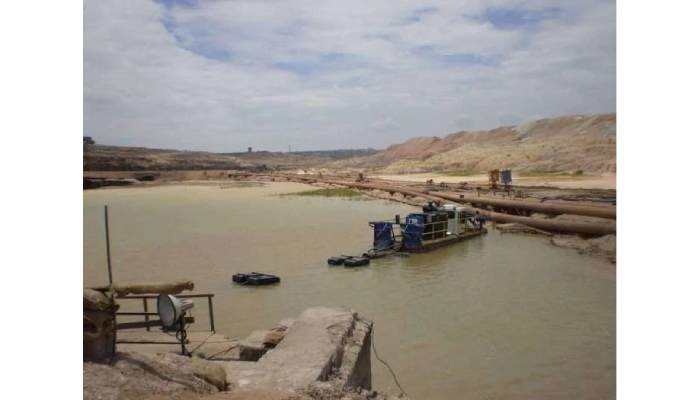
A dredge is a floating machine that sucks up tailings. It uses a powerful pump to create a slurry, which is then transported through pipelines.
The slurry is moved to a processing area where the solids are separated from the liquids. The solids can be further processed to recover minerals, while the water is treated and reused.
Why Dredging is Effective
A **mine tailings dredge** is more efficient than traditional methods of tailings management. It can handle large volumes of material quickly and safely, significantly reducing the risk of environmental contamination.
Dredging also allows for the recovery of valuable resources. This can offset the cost of tailings management and even generate revenue for mining companies. It’s a sustainable approach.
Different Types of Dredges for Mine Tailings
There are several types of dredges, each suited for different conditions. The choice depends on the type of tailings, the size of the pond, and the desired outcome.
Let’s look at some common types:
- Cutter Suction Dredges: These use a rotating cutter head to break up the tailings. They’re good for compacted materials.
- Auger Dredges: These use a screw-like auger to loosen and suck up tailings. They’re ideal for softer materials.
- Bucket Wheel Dredges: These use a series of buckets to scoop up tailings. They’re effective in deeper ponds.
Benefits of a Mine Tailings Dredge
Mine tailings dredging offers many benefits for mining companies and the environment. It’s a sustainable solution that addresses several challenges.
Here are some key advantages:
Environmental Benefits
Dredging reduces the risk of tailings dam failures. By removing tailings, it lowers the pressure on dams, making them more stable.
It also minimizes water and soil contamination. Dredging helps to contain and treat tailings, preventing them from spreading into the environment.
Economic Benefits
Dredging can recover valuable minerals from tailings. This can generate revenue and offset the cost of tailings management. It’s a valuable source of secondary resources.
It also increases tailings storage capacity. By removing old tailings, it frees up space for new ones, extending the lifespan of mine operations.
Operational Benefits
Dredging improves operational efficiency. It’s a faster and more effective way to manage tailings than traditional methods.
It also enhances safety. By reducing the risk of dam failures and contamination, it creates a safer working environment for mine employees and surrounding communities.
Conclusion
Mine tailings dredging is a vital tool for responsible mining. It offers a safe, sustainable, and profitable way to manage tailings. By reducing environmental risks and recovering valuable resources, it benefits both mining companies and the planet.
Learn more about specialized mine tailings dredge services here.
FAQs
Q: What types of tailings are best suited for dredging?
A: Dredging can be used for various tailings types, but the best results come from finer materials like sands and slimes. Highly compacted tailings may require specific dredge types like cutter suction dredges.
Q: How does dredging help with environmental compliance?
A: Dredging helps in containing and managing tailings, preventing environmental contamination. It also allows for better water management and reduces the risk of dam failures, thus aligning with environmental regulations.

Nathan Schexnayder was born in Washington State, Studied at Washington State University. Currently working as Blogger at Speakitsname, Nathan Schexnayder helps readers learn the FIELD Business, General, Health & Fitness, Marketing etc hone their skills, and find their unique voice so they can stand out from the crowd.
