
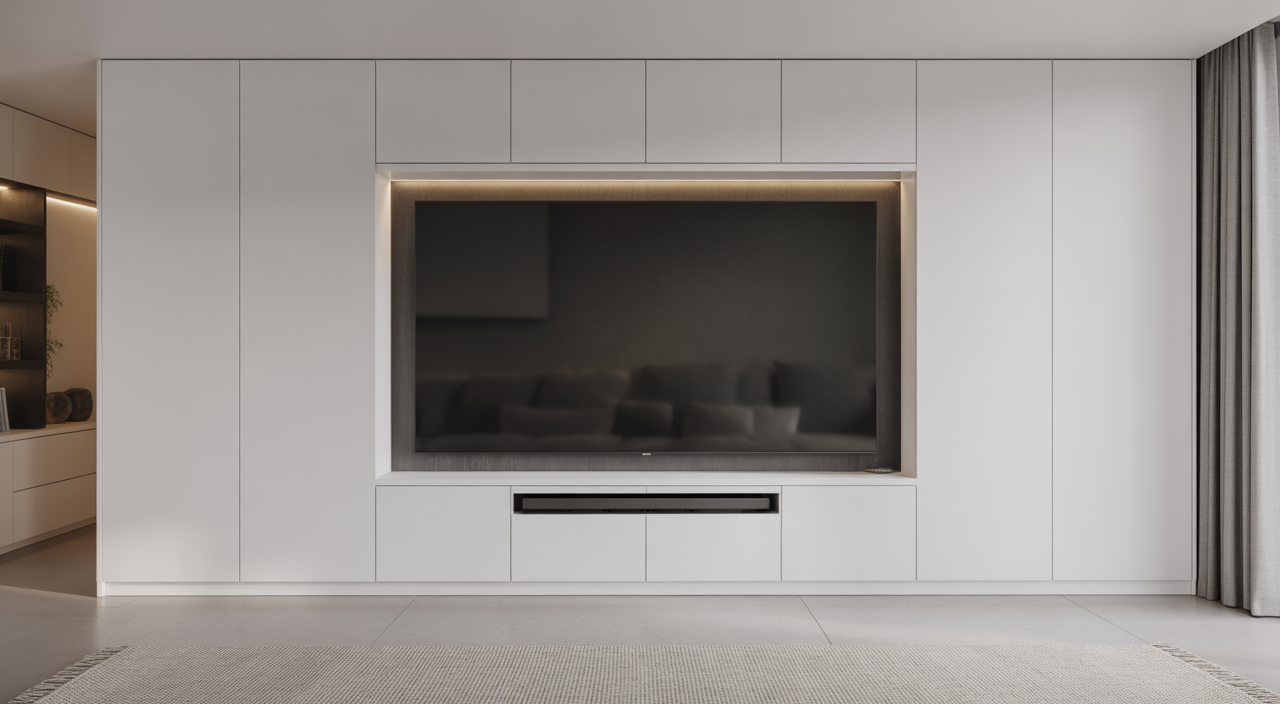
A custom media wall is a built-in feature that turns a plain TV area into the real heart of your living room. Instead of a simple stand or unit, it combines your television, speakers, consoles and storage into one smart, stylish wall. A well-designed custom media wall hides cables, adds lighting and gives your space a sleek, finished look.
In UK homes, this type of home entertainment wall is becoming as standard as a fitted kitchen. It works in city flats, suburban homes and even compact living rooms, because it is designed to fit the exact size of the wall. With the right planning, you can enjoy cinema-style viewing, better sound and a clutter-free room.
This guide walks you through benefits, costs, materials, design styles and installation tips, so you know what to expect before you speak with a specialist.
Why Choose a Custom Media Wall?
Off-the-shelf TV units are quick to buy but rarely use your full wall space. A bespoke media wall is built to your room measurements, so every inch works hard. You can include cupboards, drawers, open shelves and even a place for a feature fireplace.
Another big plus is cable management. All wiring for your TV, set-top box, soundbar and gaming consoles can be run inside the wall. This gives a neat, hotel-style finish that is hard to get with a standard unit.
Finally, a fitted media wall can lift your home value. Buyers like integrated furniture that feels high-end and permanent. When done well, it looks like it was always part of the home.
Cost Guide: Custom Media Wall Prices in the UK
Prices vary a lot, but you can use these rough brackets as a starting point for UK homes:
- Smaller media wall (up to 2.5m wide): From £1,200 to £2,500, using painted MDF, basic shelves and simple LED lighting.
- Medium wall (around 3–4m wide): Around £2,500 to £4,500, with more storage, niches, better lighting and higher-grade finishes.
- Large feature wall (4m+ or full height with fireplace): £4,500 to £8,000+ depending on design, integrated fire and premium finishes.
Expect costs to change with:
- Material choice (standard MDF vs premium veneer or hardwood)
- Complexity of shelving and cupboard layout
- Extra features such as a built-in electric fire or high-end sound system
- Electrical work for sockets, lighting and network cabling
Some suppliers offer staged payments, which helps with budgeting. Over time, the return comes through higher comfort, better use of space and stronger appeal if you decide to sell.
Materials and Finishes: What Works Best?
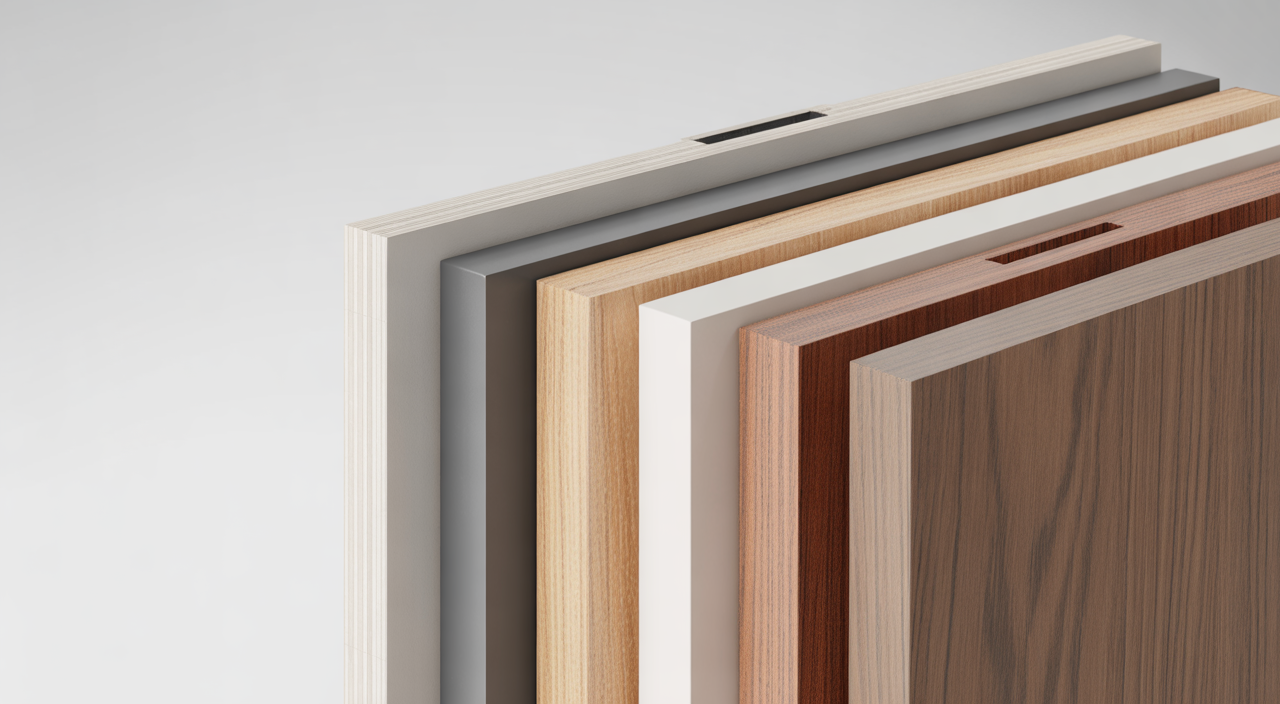
Most fitted TV wall units in the UK are built in MDF. It is smooth, stable and takes paint very well, which makes it ideal for modern media wall designs. High-quality MDF, well-primed and painted, looks smart and is easy to maintain.
Hardwood or real wood veneers sit at the more premium end. Veneers give you the look of natural wood grain on the outside, with a stable core inside. They suit classic or luxury schemes and pair nicely with warm lighting.
You can also ask about eco-friendly boards and low-VOC paints if you want a greener choice. Soft matt finishes in neutral shades are currently very popular in UK living rooms, as they let your screen and accessories stand out without feeling busy.
Design Inspiration and Trending Styles
There are many ways to style a built-in entertainment wall. Here are a few ideas that work well in UK homes.
- Modern minimalist: Clean lines, handleless doors and a flat TV panel that sits flush. Perfect for open-plan apartments and contemporary houses.
- Classic shaker-style: Framed doors, soft colours and balanced shelves. This suits period homes and anyone who wants a timeless, homely feel.
- Floating media unit: The lower unit appears to “float” off the floor, with LED lighting underneath. This keeps the room feeling light and spacious.
- Home cinema media wall: Wider units that include soundbar recesses, speaker grilles, blackout-friendly colours and plenty of closed storage for AV gear.
Adding LED strips along shelves and behind the TV creates a soft glow and reduces eye strain while watching in the evening. You can match this approach with other fitted furniture in your home to keep a consistent style, similar to how people plan other bespoke fitted furniture projects.
Planning Your Installation
Good planning makes the difference between a nice feature and a truly impressive media wall. Before any work starts, measure the width and height of your wall, the viewing distance to your sofa and the exact size of your TV.
A simple checklist should cover:
- Wall width, ceiling height and any radiators or windows nearby
- TV size and future upgrade size (for example, planning space for a larger screen later)
- Number of devices (set-top boxes, consoles, speakers, recorders)
- Internet and power points needed inside the unit
Electrical work must follow UK building regulations for safety. Ask your installer how they plan to route cables, provide ventilation for equipment and allow easy access for upgrades. A clear schedule usually includes a design visit, drawing approval, factory build and then a short on-site fit, often within a few days.
Smart Wiring and AV Integration
A well-planned media wall should work as well as it looks. That means thinking about sound as much as sight. Decide early whether you want a simple soundbar or a full surround system with hidden speakers.
Run spare conduits where possible, so future cables can be pulled through without opening the wall. Include network points if you stream a lot of content, as wired connections are more stable than wireless for high-quality video.
Finally, group sockets and control units inside easy-to-reach cupboards. This keeps the front clean but makes day-to-day use simple for everyone in the family.
Real-World Value for Homeowners
Homeowners across the UK use media walls to solve real problems: messy leads, poor storage and awkward corners. A fitted TV wall unit can turn a tricky chimney breast into a beautiful display. In rental properties, it can help you stand out in a crowded market and attract long-term tenants who value comfort.
Many people also find that a well-designed living room media installation becomes the favourite place for family time, movie nights and hosting guests. Used daily, it justifies the investment far more than many other home upgrades.
Next Steps: Bringing Your Media Wall to Life
If you are ready to move from ideas to action, start by noting your room measurements, budget range and preferred style. Collect a few reference photos of media wall design ideas that you like, and think about what you want to store or hide in the unit.
It also helps to read around related topics such as how to plan AV-friendly rooms and storage, similar to guides on media wall installation for home theaters. With a clear brief, a specialist can quickly turn your notes into a design that matches your home and lifestyle.
FAQs About Custom Media Walls
How long does it take to build and fit a media wall?
For a typical UK project, design and approval can take one to two weeks, depending on how quickly you decide on details. Once the design is set, many companies build the units off-site, which may take another one to three weeks. On-site fitting is often completed within two to four days, including final checks and finishing touches.
Can I integrate speakers, lighting and a fireplace?
Yes, most bespoke TV wall units are designed around all three. Your installer can include cutouts and grills for speakers, LED strips or spotlights for shelves and a recess for an electric feature fire. It is important to plan heat and ventilation carefully, so always mention any fire unit or large amplifier at the design stage.
Will a custom media wall damage my existing walls?
In most cases, the structure fixes into the existing wall with screws and brackets, similar to fitted wardrobes or bookshelves. Skilled installers work neatly and protect floors and nearby surfaces. If you ever choose to remove the media wall, you may need some basic filling and repainting, but no major repair work.

Nathan Schexnayder was born in Washington State, Studied at Washington State University. Currently working as Blogger at Speakitsname, Nathan Schexnayder helps readers learn the FIELD Business, General, Health & Fitness, Marketing etc hone their skills, and find their unique voice so they can stand out from the crowd.